If you are behind on your mortgage, car payments, or other bills, Chapter 13 may give you more time to get back on track. It can also help you keep important property while you repay what you owe through a court-approved plan.
Debt Advisors Law Offices serves people across Milwaukee, Kenosha, Madison, Green Bay, Sheboygan, and Oshkosh. A Wisconsin bankruptcy attorney can explain how Chapter 13 works and whether it may fit your financial situation.
What Is Chapter 13 Bankruptcy?
Chapter 13 is a type of bankruptcy that lets you repay some or all of your debt over three to five years. You make payments under a plan approved by the bankruptcy court.
Filing usually starts an automatic stay. This can stop or pause many collection actions, such as wage garnishments, lawsuits, foreclosure, repossession, and collection calls. There are exceptions, so the protection does not apply the same way in every case.
At the end of the plan, some remaining eligible debts may be discharged if you have met the required terms.
Who Can File Chapter 13 in Wisconsin?
You generally need a steady source of income and enough money left after basic expenses to make the required plan payments.
For cases filed on or after April 1, 2025, the federal debt limits are:
- Less than $526,700 in unsecured debt
- Less than $1,580,125 in secured debt
You must also complete approved credit counseling before filing, with limited exceptions. Your recent bankruptcy history can affect whether you are eligible.
A lawyer can review your income, debts, property, and filing history before you decide which chapter fits your situation. Schedule a free review if you want help checking your eligibility.
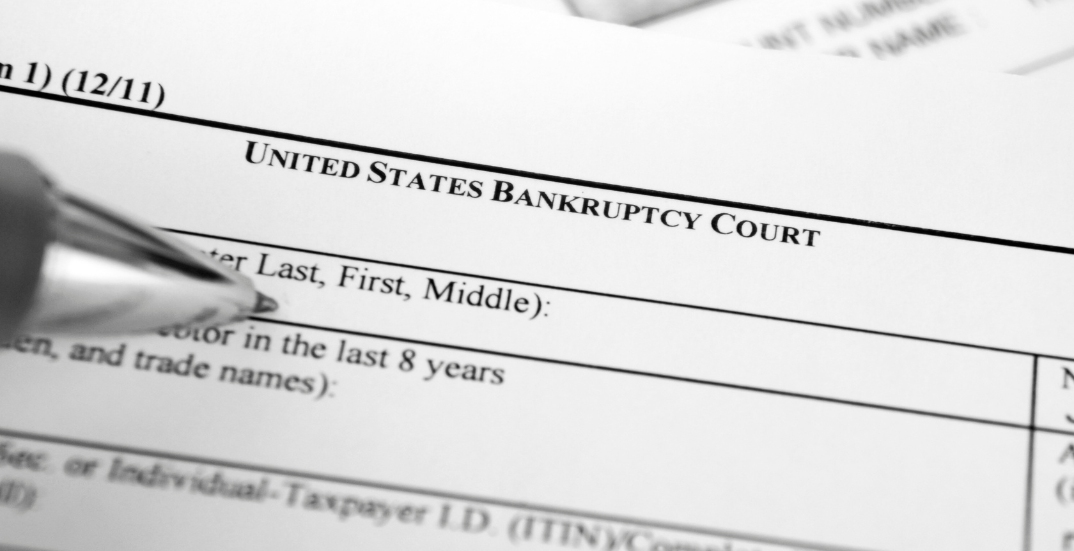
How the Chapter 13 Process Works
Here’s what happens from the time you decide to file through the end of your repayment plan:
- Credit Counseling: Before filing, you must complete a certified credit counseling course (online or phone, usually under $50).
- Petition Filing: Your attorney prepares and files your bankruptcy petition with the Eastern or Western District of Wisconsin court.
- Automatic Stay Begins: This legal protection immediately halts creditor actions—foreclosure, repossession, wage garnishment, and more.
- Repayment Plan Submitted: Within 14 days of filing, you propose a repayment plan detailing how you’ll pay debts over 36–60 months.
- 341 Meeting of Creditors: You’ll attend a short meeting with your trustee and creditors ~30–45 days after filing.
- Plan Confirmation: The bankruptcy judge approves your plan, and you begin monthly payments through a trustee.
- Discharge: After successful completion, remaining dischargeable debts are eliminated, and you exit bankruptcy with a clean slate.
We handle everything, from paperwork to court appearances, ensuring compliance with all Wisconsin-specific rules.
Can You Keep Your Home, Car, and Other Property?
Chapter 13 often allows people to keep property while they repay creditors through the plan. That does not mean every asset is protected automatically.
Wisconsin filers may have a choice between Wisconsin exemptions and federal bankruptcy exemptions. The better option depends on what you own, how much equity you have, and the details of your case. An attorney can review your property and equity before exemptions are claimed.
What Debts Can Be Included in a Chapter 13 Plan?
A repayment plan can deal with several types of debt, including mortgage arrears, car loans, taxes, credit cards, medical bills, and personal loans.
Priority, secured, and unsecured debts follow different rules. A plan may not require paying every unsecured debt in full.
It may also give you time to catch up on a mortgage while you keep making new payments. Filing may stop a pending repossession if the automatic stay applies.
What If Your Finances Change During the Plan?
Three to five years is a long time. Income can drop, expenses can rise, and family needs can change. If you can no longer make the required payment, contact your attorney and trustee quickly. Depending on the facts, a plan may be modified. In some cases, the case may be converted to Chapter 7 if the person qualifies.
Missing payments without addressing the problem can put the case at risk of dismissal.
We tailor your Chapter 13 plan to maximize exemptions while prioritizing your most essential assets. Our goal is to help you get out of debt without losing what matters most.

Why Clients Choose Debt Advisors Law Offices
Debt Advisors Law Offices has helped thousands of Wisconsin residents deal with debt and bankruptcy issues. The firm has served clients across the state for more than 20 years, including people in Milwaukee, Madison, Kenosha, Oshkosh, and Sheboygan.
Clients choose the firm for:
- More than 20 years of bankruptcy experience in Wisconsin
- An A+ BBB Rating and strong client reviews
- Recognition in “Best of Milwaukee” for legal services
- Installment-based legal fees that can make costs easier to manage
The attorneys help with more than preparing and filing documents. They explain what needs to happen, help build the repayment plan, and guide clients through each stage of the case.
Serving Clients Across Wisconsin
Debt Advisors Law Offices has locations across Wisconsin, making it easier to get bankruptcy help close to home.
Find Your Nearest Office
- Milwaukee – Our Milwaukee office has served the local community for more than 20 years.
- Downtown Milwaukee – Convenient for people who live or work near East Town and the Historic Third Ward.
- Kenosha – Our Kenosha office is near I-94 and serves clients in the surrounding area.
- Madison – Our Madison office helps local residents understand their bankruptcy options under Wisconsin law.
- Green Bay – Serves individuals, families, and business owners in Northeast Wisconsin.
- Sheboygan – Provides local bankruptcy support for people in Sheboygan and nearby communities.
- Oshkosh – Serves people in the Fox Valley who need help dealing with debt and repayment options.
With locations in several Wisconsin communities, help is never too far away when you need clear answers about your debt options.
Common Questions About Chapter 13 Bankruptcy
Here are quick answers to questions Wisconsin filers often have.
How long does Chapter 13 take?
Most plans last three to five years. The length depends in part on your income and the rules that apply to your plan.
Will filing Chapter 13 stop foreclosure or repossession??
Filing usually puts most collection activity on hold. This may stop a foreclosure or repossession that has not already been completed. There are exceptions, so timing matters.
Can I file Chapter 13 with my spouse?
Married couples can file a joint bankruptcy case. They do not always have to file together. The right approach depends on your debts, income, property, and other facts.
Will all of my debt be discharged?
No. Some debts are not discharged. Others may be paid in full or in part through the plan. The result depends on the type of debt and your confirmed plan.
Can Chapter 13 stop creditor harassment?
The automatic stay generally stops creditors from continuing most collection efforts after filing. You can also read more about how to stop creditor harassment and stop foreclosure.
Talk With Debt Advisors Law Offices
Bankruptcy decisions are rarely just about one number. Your income, monthly expenses, property, secured debts, and past filings can all affect what happens next.
Our experienced attorneys can review the details of your case, explain the rules that may apply, and help you understand what a workable repayment plan could look like. Schedule your free, no-obligation consultation online today.
Debt Advisors Law Offices is a debt relief agency. We help people file for bankruptcy under the Bankruptcy Code.