If you live on Social Security, you may worry about losing that money when you fall behind on bills. The good news is that federal law protects most Social Security benefits from private creditors.
This means a credit card company or medical provider generally cannot take your benefits to pay an unpaid bill. However, some debts, including federal taxes, child support, and alimony, have different rules.
Banks must also check for certain federal benefit payments when they receive a garnishment order. This helps protect money you need for everyday expenses.
Let’s look at when creditors can take Social Security, what to do if your money is frozen, and what options you have if you’re struggling with debt in Wisconsin.
Can Social Security Benefits Be Garnished for Debt?
Under 42 U.S.C. § 407, Social Security benefits are generally protected from private creditors. For example, if you owe money on a credit card, the company generally cannot take your Social Security retirement benefits to pay the bill.
There are some exceptions. The government may collect certain federal debts, child support, or alimony from some Social Security payments.
Supplemental Security Income (SSI) has strong protections and is generally protected from garnishment and government offsets. The rules depend on the benefit type and the debt.
How the Federal Two-Month Protection Rule Works
Under 31 CFR Part 212, banks must check for certain federal benefits when they receive a garnishment order.
The bank reviews qualifying deposits from the previous two months. It must protect the amount required by federal rules without making you file a separate claim first.
Example of the Two-Month Protection
Suppose you receive $1,500 in Social Security benefits each month. Over two months, that’s $3,000. Your bank account has $4,000 when the bank reviews a garnishment order.
If the full $3,000 qualifies for automatic protection:
- $3,000 is protected automatically.
- The remaining $1,000 may be subject to collection.
Other laws may protect some or all of the remaining money. The amount automatically protected cannot exceed the money in your account.
What Is a Hardship for Social Security Garnishment?
Financial hardship means you cannot afford basic needs because money is being taken to pay a debt. These needs include rent, food, electricity, and medical care.
The rules depend on who is collecting the money. For example, the IRS may release a levy if it leaves you unable to pay for basic living expenses.
You may need to show proof of your costs, such as:
- Social Security benefit statements
- Rent or mortgage bills
- Grocery and utility bills
- Medical bills and prescription costs
A hardship request does not erase the debt or stop every type of garnishment.
How to Request Hardship Relief
The steps depend on who is collecting the debt.
For Federal Tax Debt
Call the IRS using the number on your levy notice. Explain how the levy affects your ability to pay for basic needs. The IRS may ask for proof of your income and expenses before deciding whether to change or release the levy.
For Other Federal Debts
Contact the agency collecting the debt. Ask whether you can dispute the debt, arrange payments, or request hardship relief.
The Treasury Offset Program explains how the government collects certain debts by taking money from federal payments.
For Child Support or Alimony
Contact the court or child support agency handling your case. If you cannot afford the required payments, ask how to request a change. You must follow the proper legal process.
What to Do If Your Social Security Money Is Frozen
If your bank freezes your Social Security money over an ordinary consumer debt, take these steps:
- Call your bank. Ask why the bank froze the money and whether it checked your benefit deposits.
- Gather your records. Keep your Social Security statements and bank records.
- Read the notice. Check who is collecting the debt and whether you must respond by a certain date.
- Ask to release protected money. If needed, follow the Wisconsin court process to claim an exemption.
- Get legal help. A lawyer can explain your rights and help you decide your next steps.
You can also file a complaint with the Consumer Financial Protection Bureau if you believe a bank or debt collector has acted improperly.
How Wisconsin Garnishment Laws Protect Social Security
Wisconsin has rules about how creditors collect unpaid debts. Federal law also protects Social Security benefits from most private creditors.
It helps to know the difference between two types of garnishment:
- Wage garnishment: A creditor takes money from your paycheck.
- Bank-account garnishment: A creditor tries to take money from your bank account.
Social Security benefits aren’t wages, so Wisconsin’s wage-garnishment limits don’t determine how these benefits are protected.
Social Security money generally remains protected from ordinary consumer debts, even if a creditor wins a lawsuit.
Debt Relief for Seniors Living on Social Security
If Social Security is your main income and you’re struggling to pay your debts, you may have a few options.
- Talk to your creditors. Ask whether they can lower your payments or settle the debt for less.
- Look for legal help. A legal aid service or debt counselor can help you understand your options.
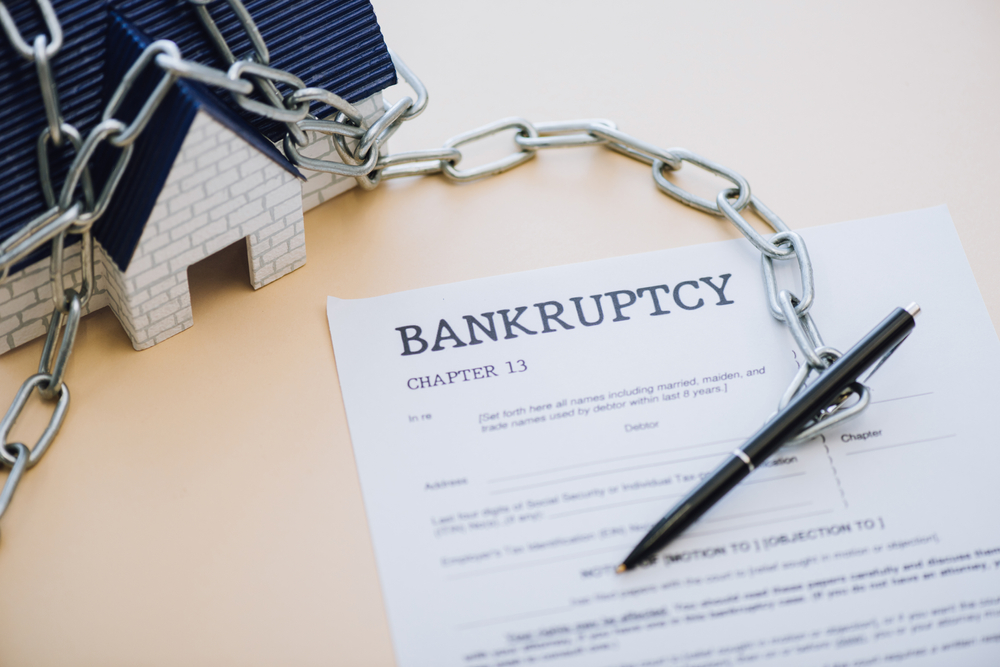
- Consider bankruptcy. Chapter 7 or Chapter 13 bankruptcy may stop many collection actions.
Bankruptcy isn’t the right choice for everyone. Before deciding, review your debts, income, and property to see which option makes the most sense for you.
Frequently Asked Questions
Can debt collectors garnish Social Security for medical bills?
No. Social Security benefits are generally protected from garnishment for unpaid medical bills.
How can I avoid Social Security garnishment for unpaid federal taxes?
If you owe federal taxes, contact the IRS to discuss payment options or explain why paying the debt would leave you unable to cover basic living expenses.
Can creditors take Social Security benefits deposited into a joint account?
The money may still be protected. Keep records showing the deposits came from Social Security, as the bank may need proof.
Can I request hardship relief if Social Security is my only income?
You may qualify for relief from certain government collections. You may need to show your income and basic living expenses.
Can bankruptcy help seniors who live entirely on Social Security?
It may help clear certain debts, but other options may be available. The right choice depends on your debts, property, and income.
Get Help Protecting Your Social Security Benefits
If a creditor is trying to take money from your Social Security benefits, don’t assume you have no options. The rules depend on the debt and how they’re collecting the money.
A lawyer can review your situation and explain whether you may benefit from legal action or other debt relief options.
Schedule a free consultation to discuss your next steps.