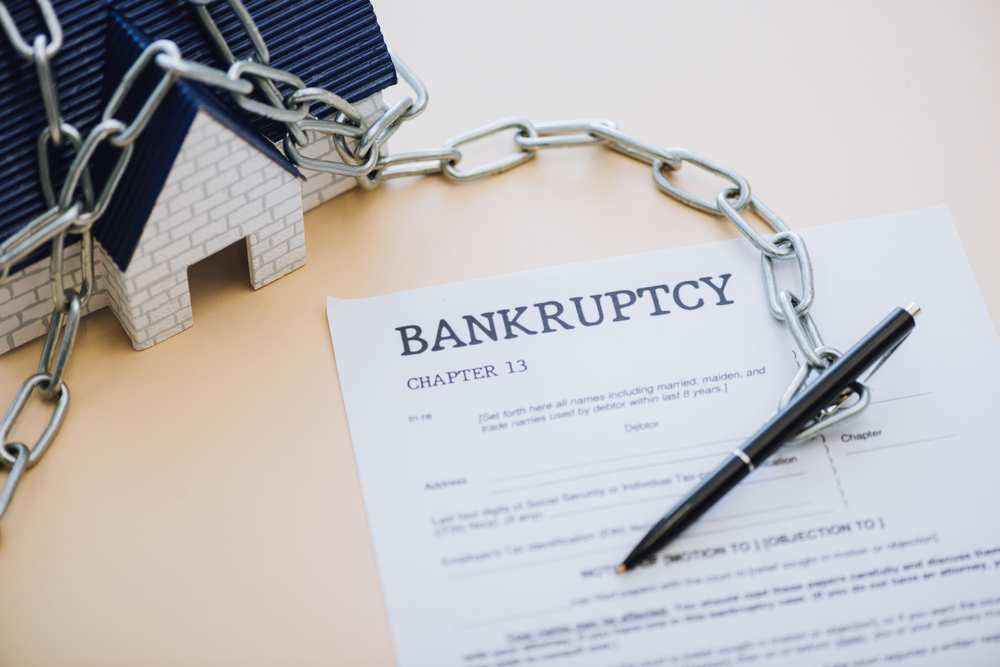
When debt payments no longer fit your budget, the first program promising a lower monthly payment may look appealing. Before signing up, find out what the program actually does, what it costs, and what happens if it does not work.
Wisconsin residents have several options. These include debt consolidation, credit counseling, debt settlement, and bankruptcy.
If you are dealing with wage garnishment, foreclosure, lawsuits, or missed payments you can no longer catch up on, a Milwaukee bankruptcy attorney can explain which options may fit your situation.
Debt Relief Options Available in Wisconsin
The main choices work in very different ways. Some combine your debts, some set up a payment plan, and others may reduce or discharge certain debts.
Debt Consolidation
Debt consolidation combines several debts into one new loan. This can make payments easier to manage. You may also get a lower interest rate if you have good enough credit.
If you are looking at debt consolidation in Milwaukee, look beyond the monthly payment. Compare the interest rate, fees, loan length, and total amount you will repay.
Credit Counseling and Debt Management Plans
Credit counseling can help you review your budget and debts without taking out a new loan. A counselor may suggest a debt management plan. You make one payment to the counseling agency, and the agency pays the creditors in the plan.
Some creditors may lower interest rates or waive certain fees.
The Wisconsin Department of Financial Institutions notes that these plans can take 48 months or longer. It also recommends checking whether the company is licensed in Wisconsin.
Debt Settlement
Debt settlement means asking a creditor to accept less than the full amount you owe. The creditor does not have to agree.
Some settlement companies may also tell you to stop making payments while you save money for an offer. During that time, interest and fees can grow. Your credit may suffer, and the creditor may continue collection efforts or file a lawsuit.
The Consumer Financial Protection Bureau warns that settlement companies cannot promise how much money they will save you or how long the process will take.
Bankruptcy
Bankruptcy may be worth considering when other repayment options are no longer working. Chapter 7 can clear certain debts for people who qualify. Chapter 13 gives eligible filers more time to repay through a plan approved by the court, usually over three to five years.
Filing also brings an automatic stay in most cases. That can put many collection efforts on hold while the case moves forward.
How to Check a Debt Relief Company in Wisconsin
Do some research before giving a company money or personal details. Wisconsin DFI recommends checking whether a debt adjustment company is licensed in the state.
Be careful if a company:
- Promises to wipe out all your debt
- Guarantees every creditor will settle
- Pressures you to sign up right away
- Demands settlement fees before getting results
- Tells you to stop paying creditors without explaining the risks
The Federal Trade Commission also warns about companies that promise quick results or ask for money before settling debts.
What Wisconsin Law Says About Debt Collection
Wisconsin law limits what collectors can do. They cannot harass you, make certain false threats, or improperly tell other people about your debt.
There are also limits on when they can call. Wisconsin DFI treats calls before 8 a.m. or after 9 p.m. Central Time as unusual. Repeated calls may also cross the line into harassment.
If you think a debt is wrong, read the notice carefully and dispute it when needed. Do not ignore collection letters or court papers.
How Debt Relief May Affect Your Credit
The effect depends on the option you choose. A consolidation loan may require a hard credit check and creates a new account.
With a debt management plan, you keep making payments, but older negative information does not disappear from your credit report.
Debt settlement can have a bigger effect if you stop paying creditors while saving for an offer. Missed payments may lead to fees, added interest, and more collection activity.
Your credit score matters, but it should not be the only thing you consider. Look at what you will pay each month, how long the plan lasts, and the total cost.
Comparing Wisconsin Debt Relief Options
|
Option
|
How It Works |
What to Check
|
| Debt Consolidation |
Combines debts into one new loan |
Rate, fees, term, total cost |
| Credit Counseling / DMP |
Uses a repayment plan through a counseling agency |
Fees, payment amount, creditor participation |
| Debt Settlement |
Tries to settle debt for less than the full balance |
No guarantee creditors will agree |
| Bankruptcy |
Uses federal law to deal with qualifying debts |
Eligibility, property, debt type, legal effects |
Common Mistakes to Avoid
A professional website or nonprofit label does not always mean a company is safe. Check its license, read the agreement, and understand the fees before signing anything.
Be especially careful if a settlement company tells you to stop paying creditors. Ask what could happen to interest, late fees, your credit, and any pending lawsuit.
Also think twice before using retirement savings or taking out an expensive loan just to pay debt. Those choices can create new problems later.
FAQs
Can I negotiate directly with my creditors?
Yes. Some creditors may discuss payment changes or settlements with you directly, although they do not have to accept an offer.
Does debt consolidation reduce what I owe?
Not by itself. It moves existing balances into a new loan that must still be repaid under its terms.
How do I check a Wisconsin debt relief company?
Check its licensing through Wisconsin DFI and read the fees, agreement, and cancellation terms before signing up.
Can enrolling in debt relief stop a collection lawsuit?
Enrollment alone does not stop one. Bankruptcy generally stays most collection actions after filing, subject to legal exceptions.
What if I cannot afford the payment being offered?
Do not commit to a plan you cannot maintain. Compare other repayment or legal options before agreeing.
Talk With Debt Advisors Law Offices About Your Options
Choosing a debt relief option takes more than finding the lowest monthly payment. You also need to consider the type of debt you have, what you can afford, and what could happen if the plan fails.
Debt Advisors Law Offices can review your debts and explain whether Chapter 7, Chapter 13, or another option may apply.
If you are comparing Milwaukee debt relief services, contact Debt Advisors Law Offices in Milwaukee or schedule a free consultation to discuss your situation.
Debt Advisors Law Offices is a debt relief agency. We help people file for bankruptcy under the Bankruptcy Code.