If you cannot afford to pay a debt in full, you may still have options. Some creditors and debt collectors will agree to a payment plan or accept less than the total balance.
Negotiating can work in the right situation, but it is not guaranteed. Before making an offer, you need to know what you owe, what you can afford, and what agreeing to a settlement could mean for your credit and taxes.
Other options, including Chapter 13 bankruptcy and Wisconsin Chapter 128, may also be worth considering when several debts have become difficult to manage.
Can You Negotiate Debt and Pay Less Than You Owe?
Yes, some creditors and collectors are willing to negotiate. You may be able to arrange:
- A lump-sum payment for less than the full balance
- Monthly payments you can afford
- Lower interest or certain fees
A creditor does not have to accept your offer. The result will depend on the creditor, the type of debt, how far behind you are, and your ability to pay.
The Consumer Financial Protection Bureau recommends confirming that you owe the debt and deciding what you can realistically afford before making a proposal.
How to Negotiate a Debt Payoff
You do not need to begin with an offer. First, make sure you understand the account.
1. Confirm the Debt
Check the creditor, current balance, account number, and payment history. If a debt collector contacted you, review the validation information they provided.
Do not pay a debt you do not recognize until you have confirmed that it belongs to you.
2. Decide What You Can Afford
Look at your income and essential monthly expenses before offering a payment.
If you offer $300 a month but can only afford $150, the agreement may create another problem. A smaller payment you can maintain is more useful than a larger promise you cannot keep.
3. Make an Offer
Contact the creditor or collector and explain what you can pay. You might offer one lump sum or ask for monthly payments. There is no standard percentage that every creditor will accept.
4. Get the Agreement in Writing
Before you pay, make sure the deal is documented. The written agreement should show the amount due, the payment date, and whether the balance will be considered settled in full.
5. Save Your Records
Hold on to the agreement, receipts, and any final statement from the creditor. These records can be useful if questions about the account come up later.
After that, turn your attention to the rest of your debt and decide what to handle next.
What to Know About Debt Settlement
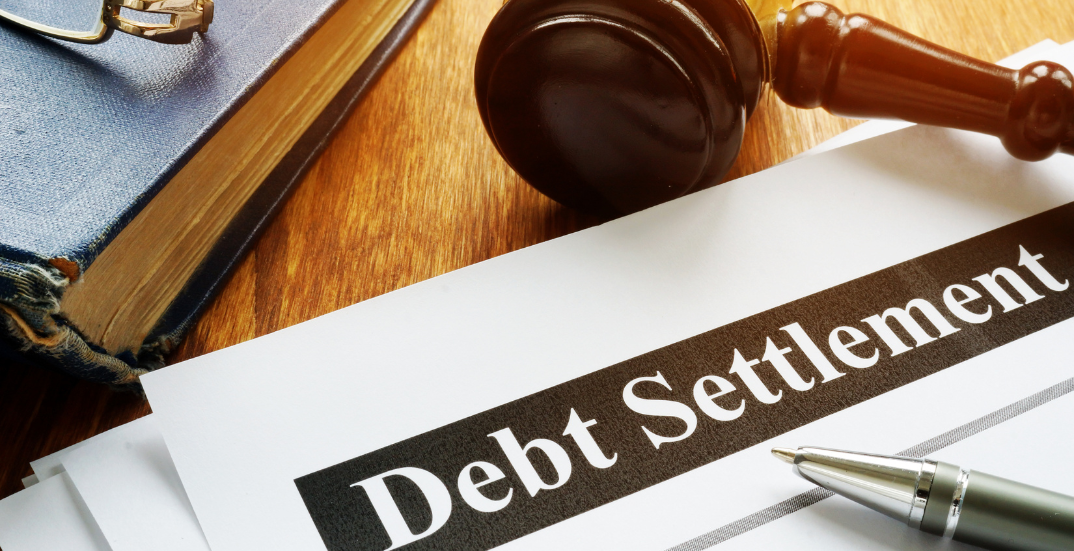
Debt settlement usually means paying less than the full amount owed, often through a lump-sum agreement. The savings can be useful, but there are tradeoffs.
A settlement may hurt your credit. Interest and late fees may also continue while you are trying to reach an agreement, and creditors can continue collection efforts unless another legal protection applies. Creditors are not required to settle.
Canceled debt can also have tax consequences. The IRS explains that canceled debt is generally taxable, although exceptions and exclusions apply, including for some people who are insolvent or have debt discharged through bankruptcy.
Be cautious with companies that promise to settle every debt or ask for large fees before providing results. The FTC warns about debt relief companies that make guarantees they cannot keep.
When Chapter 13 May Make More Sense
Negotiating one or two balances is different from dealing with several creditors, a wage garnishment, foreclosure, or debts you cannot afford even after a reduction.
Chapter 13 bankruptcy uses a court-approved repayment plan that normally lasts three to five years. It may allow you to keep property while paying debts through the plan.
Filing also creates an automatic stay in most cases. This can stop or pause many collection efforts, including lawsuits and wage garnishments. Exceptions apply.
Chapter 13 can also provide a way to catch up on certain secured debts, such as missed mortgage or vehicle payments.
Unlike a private settlement, Chapter 13 follows federal bankruptcy rules and requires court approval of the repayment plan.
Wisconsin Chapter 128: Another Way to Repay Debt
Wisconsin has a state court option for people who can repay what they owe but need more time to do it. Wisconsin Chapter 128 allows eligible wage earners to make regular payments toward certain debts for up to three years.
It is different from Chapter 13 because it is not a federal bankruptcy case. You also do not get all the protections that come with bankruptcy.
Chapter 128 may be a better fit when you have steady income and need a structured way to pay debts over time. The type of debt you have and what you can afford each month will determine whether it is a practical option.
What If a Debt Collector Contacts You?
Start by making sure the debt is yours and that the amount is correct. Ask for more information if anything looks wrong.
Debt collectors covered by the Fair Debt Collection Practices Act cannot use abusive, unfair, or deceptive practices to collect consumer debt.
If you receive court papers, do not ignore them. A collection lawsuit can continue even while you are trying to negotiate, and failing to respond can result in a default judgment.
If you reach a payment or settlement agreement, get it in writing before paying.

When Negotiating Debt May Not Be Enough
Negotiating individual balances may become difficult when:
- Several creditors want payment at once
- You cannot afford the reduced payments being offered
- Your wages are being garnished
- You are facing foreclosure or repossession
- A creditor has filed a lawsuit
- Debt payments leave too little for normal living expenses
At that point, it may be useful to compare debt settlement with Chapter 128, Chapter 13, or another debt-relief option rather than dealing with each creditor separately.
FAQs
Can I negotiate debt before it goes to collections?
You do not have to wait for a collection agency to get involved. Some creditors may work with you on payments if you contact them early.
Should I pay an old debt without checking its age?
Check the debt first. Older accounts may be subject to time limits that affect whether a creditor can sue to collect.
Is credit counseling the same as debt settlement?
They work differently. Credit counseling focuses on managing what you owe, while settlement seeks an agreement for less than the balance.
Can medical bills be negotiated?
Many providers offer payment plans, financial assistance, or discounts. Check the bill for errors before agreeing to a payment arrangement.
Plan for What Comes Next
Once a debt is under control, review your monthly budget and make sure future payments still leave enough for housing, food, utilities, transportation, and other basic needs.
If possible, start building an emergency fund. Even a small reserve can help cover unexpected costs without relying on more credit.
Before agreeing to any new repayment amount, make sure it fits comfortably within your budget and does not create another financial strain.
At Debt Advisors Law Offices, our Wisconsin bankruptcy attorneys can review your debts, income, and collection activity and explain the options available under state and federal law. Contact us and schedule a free consultation to discuss your situation.