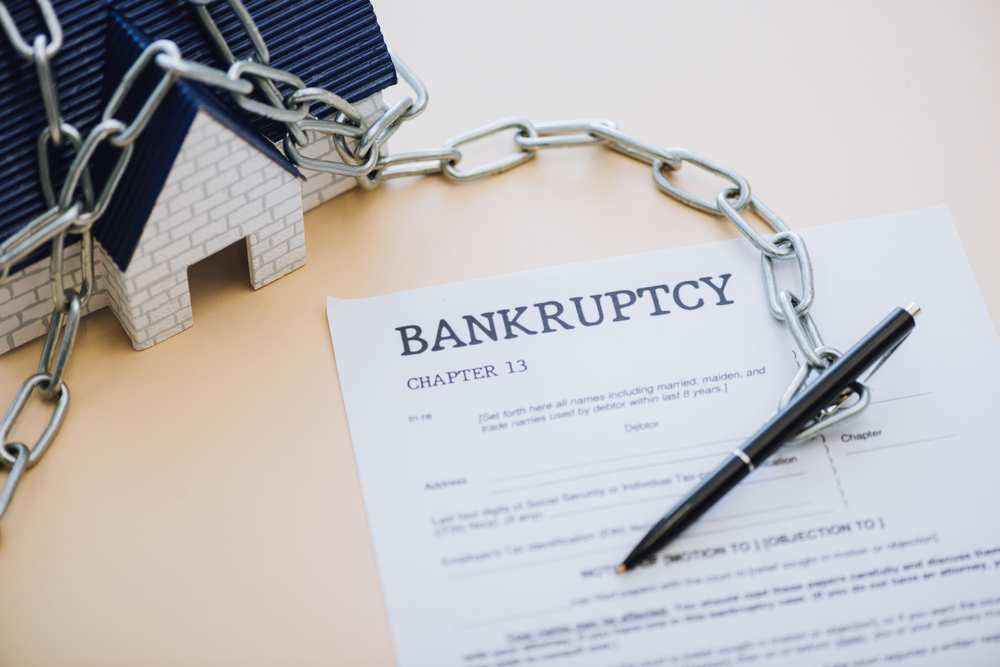
Worried about losing your home because of debt? Filing for bankruptcy may help, but it won’t eliminate your mortgage or guarantee you can keep your home.
What happens depends on how much you owe, your home’s value, and whether you have missed mortgage payments. This guide explains how bankruptcy can affect your mortgage and what options you may have if you face foreclosure.
What Happens to Your Mortgage When You File Bankruptcy?
Filing for bankruptcy does not mean you no longer owe your mortgage. Even if bankruptcy clears certain debts, your lender can still claim your home.
If you are behind on payments, the lender may still be able to foreclose. Bankruptcy does put many foreclosure actions on hold for a time. This is called the automatic stay under 11 U.S.C. § 362. The lender can ask the court to let foreclosure continue.
Can You Keep Your Home in Chapter 7?
Chapter 7 bankruptcy can clear debts like credit cards and medical bills. But can you keep your house? That depends on how much equity you have and whether the law protects it.
Under Wis. Stat. § 815.20, Wisconsin protects up to $75,000 in qualifying home equity for each eligible owner.
Equity is the difference between your home’s value and what you owe on it. For example, if your home is worth $250,000 and you owe $200,000 on your mortgage, you have $50,000 in equity.
If that equity is protected, you may be able to keep your home. But you still need to keep up with your mortgage payments to avoid foreclosure.
How Chapter 13 Can Help if You’re Behind on Payments
If you have fallen behind on your mortgage , Chapter 13 bankruptcy may let you catch up without paying everything at once.
You can spread eligible missed payments over three to five years while continuing to make your regular mortgage payments. You must keep up with both to stay on track and protect your home.
Not sure if you can afford the payments? A Wisconsin bankruptcy attorney can review your finances and explain your options.
What Happens to Second Mortgages and HELOCs?
Your home also secures second mortgages and home equity lines of credit (HELOCs). Bankruptcy may clear your personal liability for the debt, but the lien generally remains.
In some Chapter 13 cases, you may be able to remove a second mortgage if the home’s value is lower than the balance of the first mortgage. For example, if your home is worth $200,000 and you owe $220,000 on the first mortgage, a second mortgage may be wholly unsecured.
Removing the lien requires meeting the legal requirements and completing the court process. If the home’s value is high enough to secure part of the second mortgage, different rules apply.
Do You Need to Reaffirm Your Mortgage After Chapter 7?
A reaffirmation agreement means you agree to remain personally responsible for a debt after bankruptcy.
You don’t have to reaffirm a mortgage to keep your home. However, the mortgage lien remains even if your personal liability is discharged. If you stop paying, the lender may still foreclose.
Reaffirming can leave you personally responsible for the debt if you later default. Review the agreement with a bankruptcy attorney before signing.
Chapter 7 vs. Chapter 13: Mortgage Comparison
|
Mortgage issue
|
Chapter 7 |
Chapter 13
|
| Keeping your home |
Depends on equity and mortgage payments |
May allow you to catch up through a repayment plan |
| Missed payments |
No standard long-term repayment plan |
Eligible arrears may be repaid over 3–5 years |
| Foreclosure |
Paused temporarily in many cases |
May be stopped while you follow the plan |
| Home equity |
Unprotected equity may be at risk |
Equity can affect plan requirements |
| Second mortgage |
Lien generally remains |
A wholly unsecured lien may qualify for removal |
How Bankruptcy Affects Your Credit and Future Mortgage Options
Bankruptcy can stay on your credit report for years. Chapter 7 can remain for up to 10 years, while Chapter 13 can remain for up to seven years.
You may still qualify for another mortgage later, but the wait depends on the loan program and lender. Paying bills on time and keeping your debt low can help rebuild your credit.
Steps to Take Before Filing
Before filing, take a close look at your mortgage and finances:
- Check what you owe. Include missed payments and any second mortgage.
- Estimate your home equity. Compare your home’s value with your mortgage balances and other liens.
- Check your exemptions. Find out how much of your home equity the law protects.
- Review your budget. Make sure you can afford your mortgage and any repayment plan.
- Check foreclosure deadlines. A pending case or scheduled sale may affect your options.
Gather your mortgage statements, foreclosure notices, property tax bills, and income records. These will help your attorney review your situation.
Frequently Asked Questions
Can I file bankruptcy if my mortgage is current?
You can file for bankruptcy while keeping up with your mortgage payments. Your other debts, income, and financial goals help determine your options.
Will my mortgage lender know I filed?
Your mortgage lender receives notice of your bankruptcy case and may review how the filing affects your loan.
Can I sell my home after filing bankruptcy?
Selling may require court or trustee approval, depending on your bankruptcy chapter, ownership, and the status of your case.
Will my lender report mortgage payments after bankruptcy?
Reporting depends on your lender and how they handle your mortgage. Ask how payments will appear if you do not reaffirm.
Can I refinance after Chapter 13?
Refinancing depends on your credit, income, lender rules, and bankruptcy status. An open case may also require court approval.
Get Help With Mortgage Bankruptcy in Wisconsin
Bankruptcy may help you manage debt and protect your home, but the right approach depends on your equity, mortgage payments, and financial situation.
Debt Advisors Law Offices helps Wisconsin homeowners review Chapter 7, Chapter 13, and foreclosure options.
Schedule a free consultation to discuss your situation.