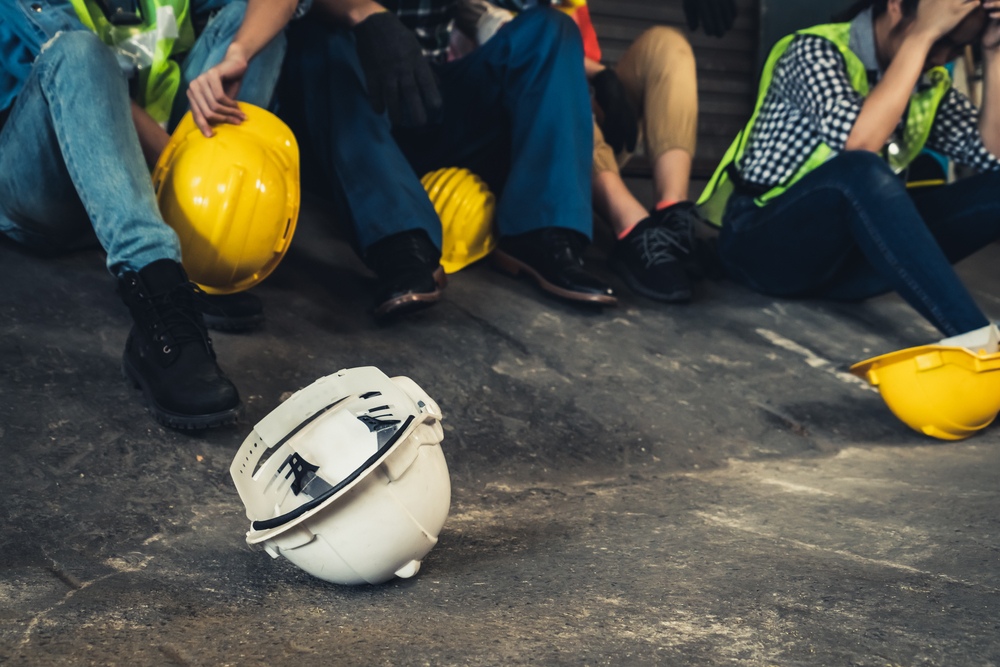
Wisconsin manufacturing workers have faced a wave of layoffs across 2025 and into 2026. In Milwaukee, Cargill announced that its ground beef processing facility will fully close on or around May 31, 2026, affecting about 221 employees. Regal Rexnord will permanently close its Cudahy plant at the end of June 2026, laying off all 70 workers. Oshkosh Defense cut production worker positions effective January 5, 2026. Air Wisconsin Airlines also filed WARN notices covering 744 employees across Appleton and Milwaukee operations through 2025.
For workers already living paycheck to paycheck, a layoff can quickly turn ordinary bills into unmanageable debt. Federal bankruptcy and Wisconsin’s Chapter 128 repayment option may offer relief, depending on income, assets, and the type of debt involved. A Milwaukee bankruptcy attorney can help review which path fits your situation.
What Is Happening in Wisconsin Manufacturing?
Wisconsin’s manufacturing sector has seen steady layoff activity through 2025 and into 2026, with Milwaukee accounting for a large share of state WARN Act filings.
Manufacturing accounts for about 33% of Wisconsin’s WARN Act layoff notices and roughly the same share of affected workers statewide. Milwaukee has absorbed about 153 notices, displacing more than 18,000 workers, making it the state’s main layoff center.
Other major notices include Saputo Cheese USA, which eliminated 240 positions at its Suamico plant in Brown County between November and December 2025. Analysts have pointed to tariff uncertainty and broader national softness as contributing factors.
For many workers, the hardest period starts after the final paycheck but before unemployment benefits, severance, or new work stabilizes the household. Mortgage payments, credit cards, medical bills, car loans, and personal loans can all become difficult to manage at once.
When Bankruptcy Becomes Part of the Conversation
A layoff does not automatically mean bankruptcy is the right step. The question is whether reduced income makes the debt unmanageable.
Filing under Chapter 7 or Chapter 13 creates an automatic stay under 11 U.S.C. §362. That stay pauses most creditor collection activity while the case is pending. In many consumer cases, wage garnishments stop, foreclosure proceedings pause, and civil collection lawsuits are frozen.
There are exceptions. Domestic support obligations, certain tax debts, and criminal matters are generally not stopped by the automatic stay.
Because bankruptcy help is regulated, federal law requires debt relief agencies to use a clear disclosure in advertising:
“An assisted person … shall clearly and conspicuously use the following statement in such advertisement: ‘We are a debt relief agency. We help people file for bankruptcy relief under the Bankruptcy Code, or a substantially similar statute.” — 11 U.S.C. §528(a)(4)
That is why this article explains the main options in general rather than recommending a specific path for every laid-off worker.
Chapter 7: Discharging Eligible Unsecured Debt
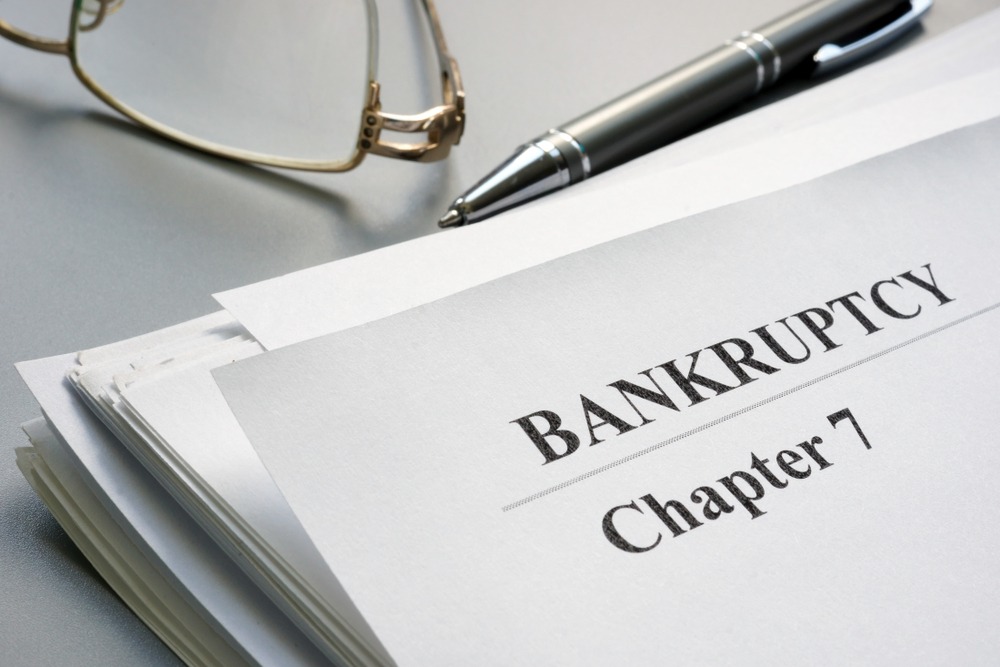
Chapter 7 is a federal bankruptcy process under 11 U.S.C. §§701–784. It can discharge many eligible unsecured debts after non-exempt assets are addressed.
Eligibility usually depends on the means test, which compares household income to the Wisconsin median. If income is below the threshold, Chapter 7 may be available. Many cases move from filing to discharge within a few months.
Common dischargeable debts include credit cards, most medical bills, and many personal loans. Secured debts, such as mortgages and car loans, are treated differently. A debtor may need to reaffirm the debt, keep paying, or surrender the collateral.
Chapter 7 can remain on a credit report for up to 10 years. Wisconsin exemption rules determine which assets are protected during the case.
Chapter 13: A Court-Approved Repayment Plan
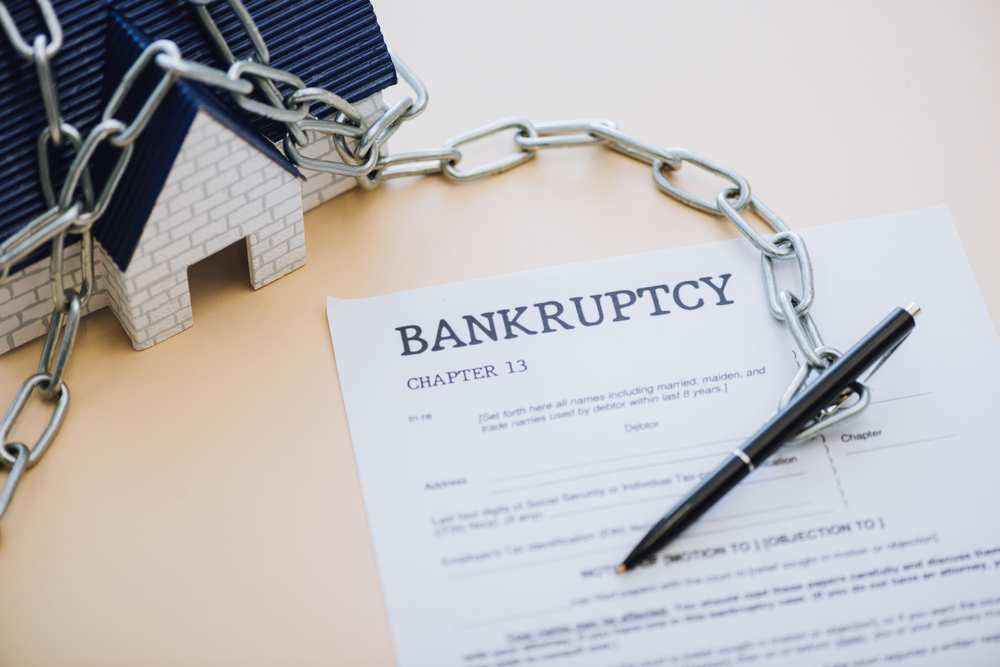
Chapter 13, found at 11 U.S.C. §§1301–1330, reorganizes debt through a three-to-five-year repayment plan. This option is often considered when income is too high for Chapter 7 or when keeping certain assets is a priority. For example, a debtor may use Chapter 13 to address a home in foreclosure or keep a vehicle while catching up on payments under the plan.
The debtor proposes monthly payments to the court. Secured creditors must be paid under the plan, while unsecured creditors receive the amounts approved by the court. Discharge comes after the plan is completed. Like Chapter 7, Chapter 13 may stay on a credit report for up to 10 years.
Wisconsin Chapter 128: A State-Law Alternative
Chapter 128 is different. It is a Wisconsin state-law debt repayment plan, not a federal bankruptcy case. The plan is handled through the Wisconsin Circuit Court and usually lasts up to 36 months. Instead of discharging debt, the debtor pays 100% of the included debt through the plan. Creditors generally stop adding interest and cannot continue collection while the plan is active.
A Chapter 128 plan allows the debtor to retain control of assets because there is no liquidation step. It may also have a shorter credit-report effect, typically up to 7 years, compared with the 10 years associated with federal bankruptcy.
Court costs are generally lower than those in federal bankruptcy. However, Chapter 128 is only available to Wisconsin residents and requires enough income to complete the repayment plan.
Chapter 7, Chapter 13, and Chapter 128 at a Glance
|
Factor
|
Chapter 7 |
Chapter 13
|
Wisconsin Chapter 128 |
| Type |
Federal bankruptcy |
Federal bankruptcy |
WI state-law plan |
| Court |
U.S. Bankruptcy Court |
U.S. Bankruptcy Court |
WI Circuit Court |
| Typical timeline |
A few months |
3–5 years |
Up to 36 months |
| What happens to debt |
Discharged |
Reorganized into plan |
Paid 100% over plan |
| What happens to assets |
Non-exempt may be liquidated |
Retained |
Retained |
| Credit-report effect |
Up to 10 years |
Up to 10 years |
Up to 7 years |
| Who qualifies |
Income below WI median |
Most income levels |
WI residents only |
FAQ
Will filing for bankruptcy stop creditor calls and wage garnishment?
Yes, in many cases. The automatic stay under 11 U.S.C. §362 begins when a bankruptcy petition is filed. It usually stops creditor calls, collection letters, wage garnishments, foreclosure activity, and civil collection lawsuits while the case is pending. Exceptions include most domestic support obligations, certain tax debts, and criminal matters.
Do I have to give up my house if I file Chapter 7?
Not automatically. Wisconsin’s homestead exemption protects a significant portion of a home’s equity from liquidation in a Chapter 7 case. If the home has non-exempt equity above that amount, it could be a factor. Many debtors use Chapter 13 specifically to protect a home with equity or to cure a mortgage default through a repayment plan. What happens to a specific home depends on the mortgage status, equity, and applicable exemptions.
How is Wisconsin Chapter 128 different from bankruptcy?
Chapter 128 is not bankruptcy. It is a Wisconsin repayment plan that usually requires the debtor to pay 100% of the included debts over a period of up to 36 months. It does not discharge debt. The possible benefits include lower court costs, retained assets, and a shorter credit-report impact. It is available only to Wisconsin residents.
How long does the process take?
Chapter 7 often takes a few months from filing to discharge. Chapter 13 lasts three to five years because that is the length of the repayment plan. Chapter 128 usually runs up to 36 months. Timelines can vary if the case is complex or if creditors object.
Which bankruptcy court handles Milwaukee filings?
Milwaukee-area bankruptcy cases are filed in the U.S. Bankruptcy Court for the Eastern District of Wisconsin, which covers Milwaukee and nearby counties. The Western District of Wisconsin handles filings in Madison and western Wisconsin. Venue generally follows the debtor’s domicile.
Conclusion
Manufacturing layoffs in Wisconsin have left many workers with debt, while their income is uncertain. For some, Chapter 7 may offer a quicker discharge of eligible unsecured debt. For others, Chapter 13 may help protect assets through a repayment plan. Wisconsin Chapter 128 may be an option for repaying debt over time without filing for bankruptcy.
The right choice depends on income, assets, debt type, and whether keeping a home, car, or other property is a priority.
If you were laid off from a Wisconsin manufacturing job and are facing creditor pressure, Debt Advisors Law Offices can review whether Chapter 7, Chapter 13, Chapter 128, or a non-bankruptcy option may fit your situation.
We are a debt relief agency. We help people file for bankruptcy relief under the Bankruptcy Code.
Sources