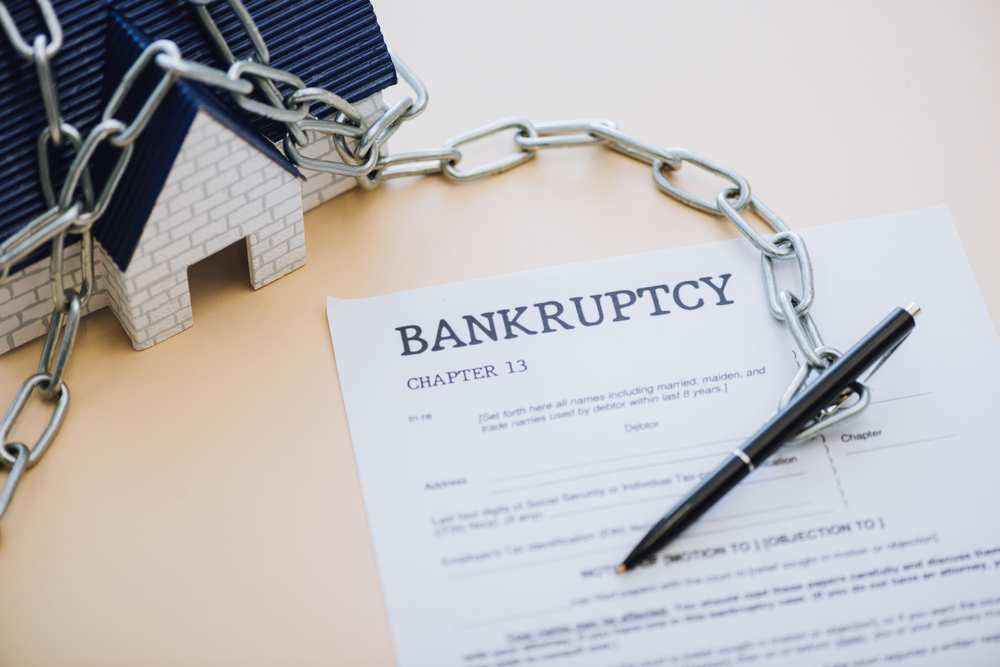
Data from U.S. Courts indicate that more than 380,000 non-business bankruptcies were filed in the United States in 2023. Thousands of those cases came from Wisconsin. For people dealing with growing debt, bankruptcy may provide a legal way to address what they owe.
The difficult part is knowing which chapter may fit your situation. Chapter 7 bankruptcy in Milwaukee can discharge many unsecured debts for eligible filers. Chapter 13 uses a repayment plan and may help people keep property such as a home or vehicle.
This guide compares Chapter 7 and Chapter 13 bankruptcy in Wisconsin, explains how each option works, and outlines the factors that may affect which one fits your situation better.
Understanding Bankruptcy Basics in Wisconsin
Bankruptcy gives individuals and married couples a legal way to deal with debt they can no longer afford. Although bankruptcy is governed by federal law, Wisconsin exemptions can affect which property you may be able to protect.
The two main types of personal bankruptcy are Chapter 7 and Chapter 13, and they work very differently. Chapter 7 is often called liquidation bankruptcy. It may allow eligible filers to discharge unsecured debts such as credit cards, medical bills, and personal loans.
Chapter 13 is built around a court-approved repayment plan that usually lasts three to five years. It can be useful when you have regular income and need more time to catch up on certain payments.
The right option depends on your income, the type of debt you have, the property you want to protect, and what you need bankruptcy to accomplish.
How Chapter 7 Bankruptcy Works in Wisconsin
Chapter 7 is generally used by people with limited income who cannot afford to repay much of their unsecured debt. To qualify, you usually need to pass the Chapter 7 means test, which looks at household income and certain allowed expenses.
Many unsecured debts, including credit cards, medical bills, and personal loans, can be discharged. Child support, certain taxes, and most student loans generally remain.
A trustee may sell non-exempt property, although Wisconsin exemptions can protect certain assets, including up to $75,000 in homestead equity for an individual.
Most Chapter 7 cases are completed within about three to six months.
When Chapter 13 Bankruptcy Might Be the Better Fit
Chapter 13 takes a different approach. Instead of discharging eligible debts shortly after filing, you repay some or all of what you owe through a plan that normally lasts three to five years.
You and your attorney propose a repayment plan based on your financial situation. After approval, you make payments to a bankruptcy trustee, who distributes the money according to the plan.
Chapter 13 can also give people time to catch up on missed secured debt payments. For example, it may help someone who is trying to stop foreclosure or address a possible repossession.
This chapter may be worth considering if you have regular income, are behind on mortgage payments, owe back taxes, or have property that could be at risk in Chapter 7.

Key Differences Between Chapter 7 and Chapter 13
The decision between Chapter 7 and Chapter 13 bankruptcy in Wisconsin depends on several key factors. Here’s a side-by-side look at how they compare:
|
Criteria
|
Chapter 7 |
Chapter 13
|
| Type of Bankruptcy |
Liquidation |
Reorganization |
| Time to Completion |
3 to 6 months |
3 to 5 years |
| Property |
Non-exempt property may be sold |
Property is generally kept through the repayment plan |
| Foreclosure |
May provide temporary protection |
Can provide time to catch up on arrears |
| Income |
Means test applies |
Regular income is required |
| Payment Plan |
No |
Yes |
| Credit Report Impact |
Up to 10 years |
Up to 7 years |
This table shows how your income, assets, and financial goals can determine the right fit.
Factors to Consider When Choosing the Right Option
Income is only one part of the decision. Your debts, property, missed payments, and what you need bankruptcy to accomplish also matter.
Chapter 7 may fit someone with limited income and mostly unsecured debts. Chapter 13 may make more sense when you have regular income but need extra time to catch up on a mortgage, vehicle loan, taxes, or other obligations.
Property can also affect the choice. If you own valuable assets that may not be fully protected by exemptions in Chapter 7, Chapter 13 may provide another way to deal with your debts while keeping that property.
A Wisconsin bankruptcy attorney can review these details together rather than looking at one factor in isolation.
Filing for Bankruptcy in Wisconsin: What to Expect
The details differ between the two chapters, but several steps are similar.
- Complete credit counseling. This is generally required before filing.
- File your bankruptcy petition. Submit your paperwork to the appropriate bankruptcy court.
- A trustee is assigned. The trustee reviews information about your finances and case.
- Attend the 341 meeting. You answer questions about your financial situation under oath.
- Complete debtor education. You must complete this before receiving a discharge.
- Finish the requirements of your chapter. Chapter 7 and Chapter 13 follow different timelines and requirements after filing.
Wisconsin bankruptcy cases are handled through either the Eastern or Western District, depending on where you live.
Filing also generally starts the automatic stay. This can stop or pause many collection efforts, including lawsuits and wage garnishments, while the stay is in effect.
When It Makes Sense to Consult a Bankruptcy Attorney
You are allowed to file bankruptcy without an attorney, but the process can become complicated when property, tax debt, foreclosure, divorce, or other legal issues are involved.
A local attorney can walk you through the rules that apply to your case and explain how each chapter could affect your property and debts.
Getting advice before filing can also help you understand what information and documents you will need.
Frequently Asked Questions
Who qualifies for Chapter 7 bankruptcy in Wisconsin?
Eligibility generally involves the means test, which looks at household income and certain expenses. Other bankruptcy rules can also affect eligibility.
Can I keep my home if I file bankruptcy in Wisconsin?
Possibly. Wisconsin exemptions may protect home equity. Chapter 13 may also provide time to catch up on missed mortgage payments.
Will bankruptcy stop foreclosure or wage garnishment?
Filing generally starts an automatic stay that stops or pauses many collection actions. Exceptions can apply depending on the case.
How long does bankruptcy stay on my credit report?
Chapter 7 may remain on a credit report for up to 10 years, while Chapter 13 may remain for up to seven years.
Do I need an attorney to file bankruptcy in Wisconsin?
No. You can file on your own, but a bankruptcy attorney can explain the process and help you understand how the rules apply to your situation.
Making the Right Choice in Wisconsin
Choosing between Chapter 7 and Chapter 13 comes down to what you need bankruptcy to accomplish.
Chapter 7 may offer a faster route to discharge for eligible filers with mostly unsecured debts. Chapter 13 takes longer but provides a structured repayment plan that may help when you need time to catch up on payments or want to keep certain property.
Your income, debts, property, and financial circumstances all need to be considered before choosing a chapter. To learn more, review our Chapter 7 Bankruptcy page or Chapter 13 Bankruptcy page.