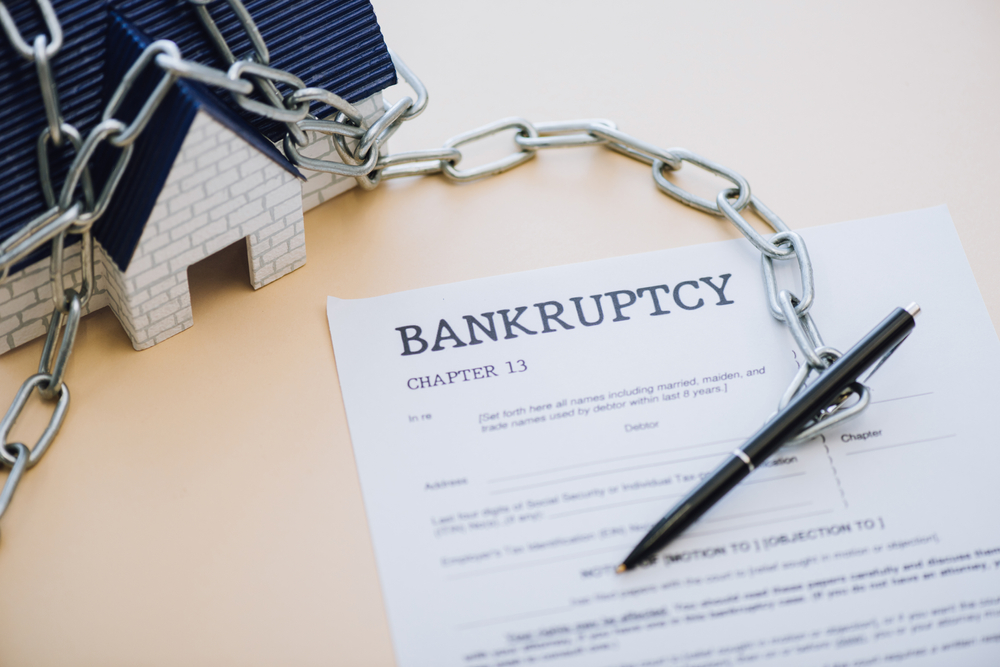
Bankruptcy can leave both landlords and tenants wondering what happens next. A landlord may be worried about unpaid rent, mortgage payments, or losing a rental property. A tenant may be worried about losing their home or having their lease changed.
But filing for bankruptcy does not automatically end a lease or mean a tenant has to move out. What happens depends on who filed, whether it is Chapter 7 or Chapter 13, and what the lease says.
Here is what landlords and tenants in Wisconsin should know about bankruptcy, rental properties, leases, security deposits, and evictions.
Does Bankruptcy End a Rental Lease in Wisconsin?
If a landlord files for bankruptcy, the tenant’s lease does not simply disappear. In a Chapter 7 case, the bankruptcy trustee generally has 60 days to decide whether to keep the lease in place or give it up. If the trustee does not make that decision within 60 days, the lease is generally treated as rejected under 11 U.S.C. § 365.
Even then, the tenant may not have to move out right away. Under Section 365(h), a tenant may be able to stay for the remainder of the lease term if the landlord’s bankruptcy case releases the lease. The tenant must still pay rent and follow the terms of the rental agreement.
What Happens to the Rental Property?
When a landlord files bankruptcy, the rental property can become part of the bankruptcy case. The trustee will review the property’s value, mortgage, other debts, and whether any legal protection prevents the property from being sold.
This does not mean the property will automatically be sold. In Chapter 7 bankruptcy in Wisconsin, the trustee may sell a rental property if it isn’t protected and selling it would help pay the landlord’s debts. Whether that happens depends on the landlord’s financial situation and the case details.
Chapter 13 bankruptcy works differently. The landlord usually follows a repayment plan and may keep the rental property while making those payments.
For a tenant, the important point is simple: the landlord’s bankruptcy does not automatically cancel the lease.
Can a Tenant Stay If the Landlord Files Bankruptcy?
Yes, a landlord filing for bankruptcy does not automatically mean the tenant has to leave. Even if the bankruptcy case does not keep the lease, federal law may allow the tenant to remain in the rental for the rest of the lease term in certain situations.
The tenant still needs to follow the lease. You still need to pay rent, and the other responsibilities in the rental agreement still apply.
It is also a good idea to keep your rental paperwork somewhere safe. Save your lease, rent payment records, security deposit information, repair requests, messages with your landlord, and any eviction notices or court papers.
If a disagreement comes up later, these records can help show what happened.
What Happens to a Security Deposit?
Bankruptcy does not erase Wisconsin’s security deposit rules. A landlord may use the deposit for unpaid rent or damage the tenant is responsible for. Normal wear and tear is different and generally cannot be charged to the tenant.
Wisconsin Stat. §704.28 requires landlords to return security deposits within 21 days, even during bankruptcy, subject to lawful deductions.
If the landlord files for bankruptcy while still owing money to a tenant, recovering that money may become part of the bankruptcy case. Keeping your deposit and payment records can help.
What Happens If a Tenant Files Bankruptcy?
Things are a little different when the tenant files for bankruptcy. Rent or other debts already owed may be addressed through the bankruptcy case. But filing bankruptcy does not mean the tenant can stop paying rent from that point forward.
Rent that becomes due after the bankruptcy filing generally still needs to be paid. A bankruptcy filing also starts what is called an automatic stay. In simple terms, this legal pause can stop many collection actions for a while. But exceptions exist, and evictions are one area where those exceptions matter.
So, a tenant should not assume that filing for bankruptcy automatically ends an eviction.
Can Bankruptcy Stop an Eviction in Wisconsin?
The automatic stay can pause some eviction actions. Federal law also has exceptions that allow certain evictions to continue. For example, an eviction may continue if the landlord already received a judgment for possession before the bankruptcy was filed. Special exceptions also apply in certain serious property- or drug-related situations.
Wisconsin’s eviction rules still apply too. Bankruptcy does not replace the state’s rules for ending a tenancy.
Under Wis. Stat. § 704.17, the notice a landlord must give can depend on the type of rental agreement and the reason for ending the tenancy.
This means there is a difference between getting an eviction notice, having an eviction case filed in court, and already having an eviction judgment.
Chapter 7 vs. Chapter 13 for Rental Property
|
Comparison
|
Chapter 7 |
Chapter 13
|
| Rental property |
A trustee may sell nonexempt property |
The landlord may keep property while making plan payments |
| Lease |
The lease may continue or be rejected |
The lease may continue, subject to bankruptcy rules |
| Rent payments |
Rent that becomes due generally must still be paid |
Rent that becomes due generally must still be paid |
| Property sale |
Nonexempt property may be sold |
Property may be sold depending on the plan and case |
| Eviction |
Automatic stay and exceptions may apply |
Automatic stay and exceptions may apply |

What Should Landlords and Tenants Do?
If you are a landlord, keep your leases, rent records, security deposit records, mortgage information, and property expenses together. You may need them during the bankruptcy case.
If you are a tenant, keep your lease, proof of rent payments, deposit records, messages with your landlord, and any notices or court papers.
Most importantly, do not ignore an eviction notice or bankruptcy paperwork.
Bankruptcy can change what happens next, but it does not settle every issue between a landlord and tenant. Both Wisconsin rental laws and federal bankruptcy laws may apply.
FAQs
Does bankruptcy cancel a rental lease in Wisconsin?
No. Bankruptcy does not automatically cancel a rental lease. The lease may continue after the landlord or tenant files bankruptcy.
Can a landlord evict a tenant during bankruptcy?
Sometimes. The automatic stay may stop or delay an eviction, but federal law has exceptions.
Do tenants still have to pay rent after a landlord files for bankruptcy?
Yes. Tenants generally must continue paying rent that becomes due after the bankruptcy filing.
Will landlords accept tenants who have filed for bankruptcy?
Landlords may accept tenants with past bankruptcies. Approval depends on rental history, income, credit checks, and the landlord’s screening criteria.
How does bankruptcy affect renting an apartment in Wisconsin?
Bankruptcy may affect rental applications and credit checks, but it does not automatically prevent you from renting an apartment.
Final Thoughts
Bankruptcy can make a rental situation harder to understand, but it does not automatically end a lease or stop every eviction.
If you are a landlord, keep your property and rental records organized. If you are a tenant, keep your lease and payment records, and don’t ignore notices from your landlord or the court.
If you are dealing with bankruptcy and rental property issues in Wisconsin, our attorneys at Debt Advisors Law Offices can help you understand your options and next steps.