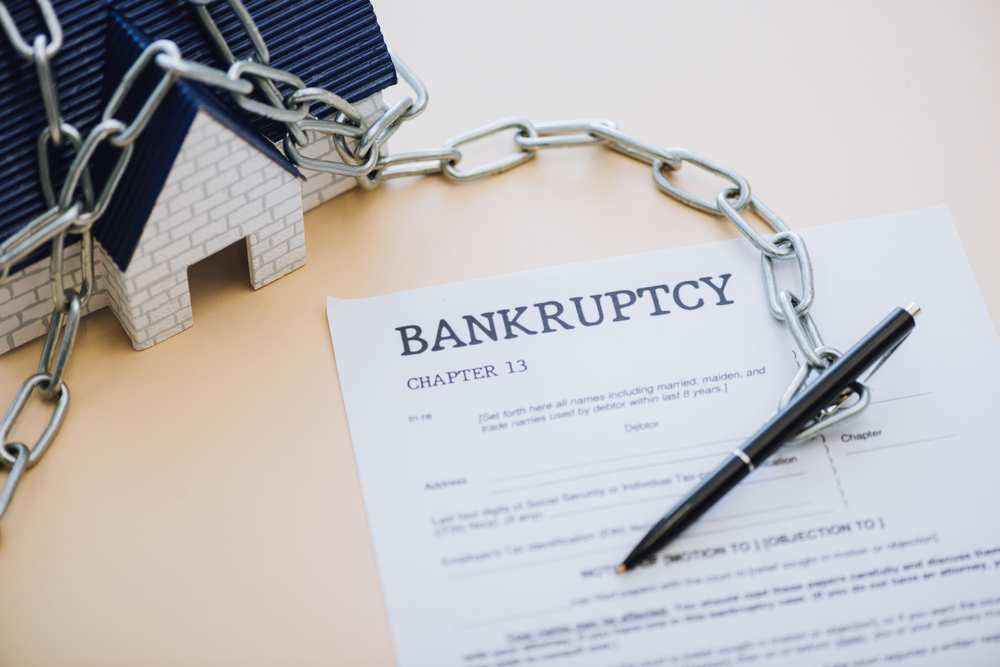
Owning property with another person can make a bankruptcy filing more complicated. A house may belong to you and your spouse. A car may have two names on the title. You might also own property with a relative or business partner.
So, what happens to that jointly owned property in bankruptcy? The answer depends on who owns the property, how ownership is set up, how much equity you have, and whether you file Chapter 7 or Chapter 13. Wisconsin’s marital property laws can also affect married couples.
Here is what you need to know before you file.
How Joint Ownership Affects Bankruptcy
When you file bankruptcy, your share of jointly owned property may become part of the bankruptcy estate. This can include a home, vehicle, bank account, or other asset you own with someone else.
How that property is treated depends on the way it is owned, how much equity is in it, and whether any exemptions apply. The name on the title matters, but it may not be the only factor.
Two common forms of ownership are:
- Joint tenancy: Two or more people own the property together, usually with equal rights.
- Tenancy in common: Each person owns a separate share, and those shares do not have to be equal.
- Tenancy by the Entirety: Common for married couples. Creditors usually cannot pursue the property unless both spouses file, providing more protection for jointly owned marital property.
These distinctions directly affect what might be at risk and how proceedings unfold, making it essential to understand the structure of your ownership.
Impact of Bankruptcy on Jointly Owned Property
How bankruptcy affects jointly owned property depends on which chapter you file. Each type has different rules that influence whether assets are liquidated or protected.
Chapter 7 Bankruptcy
Chapter 7 can involve the sale of property that is not protected by an exemption. If you own an asset with another person, your ownership interest becomes important. The trustee looks at the property’s value, any loans or liens against it, your share of the ownership, and the exemptions available to you.
A co-owner’s interest does not simply become yours because you filed bankruptcy. But in some situations, a Chapter 7 trustee can ask the court for permission to sell the entire property, including the co-owner’s interest. Federal law places conditions on when such a sale can happen.
If the court allows the sale, the proceeds are divided according to the ownership interests after permitted costs and expenses are taken into account.
This is why jointly owned property should be reviewed before a case is filed. Once the case begins, your options may be more limited.
Chapter 13 Bankruptcy
Chapter 13 does not usually require you to sell property. Instead, you repay creditors through a court-approved plan that normally lasts three to five years.
This can be helpful if you have equity in a home, car, or other jointly owned asset that you want to keep.
The value of the property still matters. If you have non-exempt equity, it may affect how much you need to pay unsecured creditors through your repayment plan.
How Wisconsin Marital Property Rules Can Affect a Filing
Wisconsin has its own marital property rules. In many cases, income and property acquired during a marriage are considered marital property, even if only one spouse’s name appears on the title or account.
Some assets may still be treated as individual property. Gifts and inheritances received by one spouse are common examples, although how the property is later used or combined with other assets can matter.
Because of this, married couples should not rely only on whose name is on a deed, vehicle title, or bank account.
An attorney may need to look at when and how the property was acquired before deciding how it should be treated in bankruptcy.
What Happens to a Co-Owner Who Does Not File?
If two people are responsible for the same debt and only one files bankruptcy, the other person may still owe the balance. For example, if both names are on a loan and one person files Chapter 7, the creditor may still collect from the co-borrower.
Owning property together is a separate issue from owing money together. A person may share ownership of an asset without being responsible for the loan tied to it.
Chapter 13 can offer extra protection for some consumer debts. A co-debtor stay may temporarily stop creditors from collecting from another person who is also responsible for the debt. This protection has limits and does not apply in every case.
Can a Bankruptcy Trustee Sell Jointly Owned Property?
It is possible in a Chapter 7 case, but it is not automatic. Under federal bankruptcy law, a trustee seeking to sell both the bankruptcy estate’s interest and a co-owner’s interest must meet specific requirements. Among other things, the court considers whether dividing the property is practical and whether the benefit to the bankruptcy estate outweighs the harm to the co-owner.
The details matter. A home with little or no non-exempt equity may be treated very differently from a property with substantial equity.
The Eastern District of Wisconsin Bankruptcy Court also notes that trustees may decide not to liquidate homes when there is not enough equity to benefit creditors.
Can Bankruptcy Exemptions Protect Your Share?
Exemptions protect certain property from creditors and the bankruptcy trustee. Wisconsin residents may have access to Wisconsin exemptions or federal bankruptcy exemptions, depending on their circumstances. The two systems protect different types and amounts of property.
The right exemption choice can matter when you own a home, vehicle, savings, household property, retirement funds, or another asset with someone else.
Before filing, a Wisconsin bankruptcy attorney can calculate the equity in the property and determine how much of your interest can be protected.
What Should You Check Before Filing?
If another person owns property with you, gather the documents that show exactly how the asset is owned.
That may include:
- Deeds and property records
- Vehicle titles
- Mortgage or loan statements
- Recent property valuations
- Purchase records
- Marital property agreements
- Records showing how the property was acquired
- Information about liens against the asset
Do not transfer your share to another person simply to keep it out of bankruptcy. Transfers before filing must be disclosed and can create serious problems in a bankruptcy case.
What Happens After Bankruptcy?
Once your case ends, review any financial obligations you still share with another person. If you have a joint mortgage or vehicle loan, find out who is responsible for future payments. Keep ownership records and payment information in one place. If you plan to sell, refinance, or change ownership, make sure you understand any restrictions that still apply.
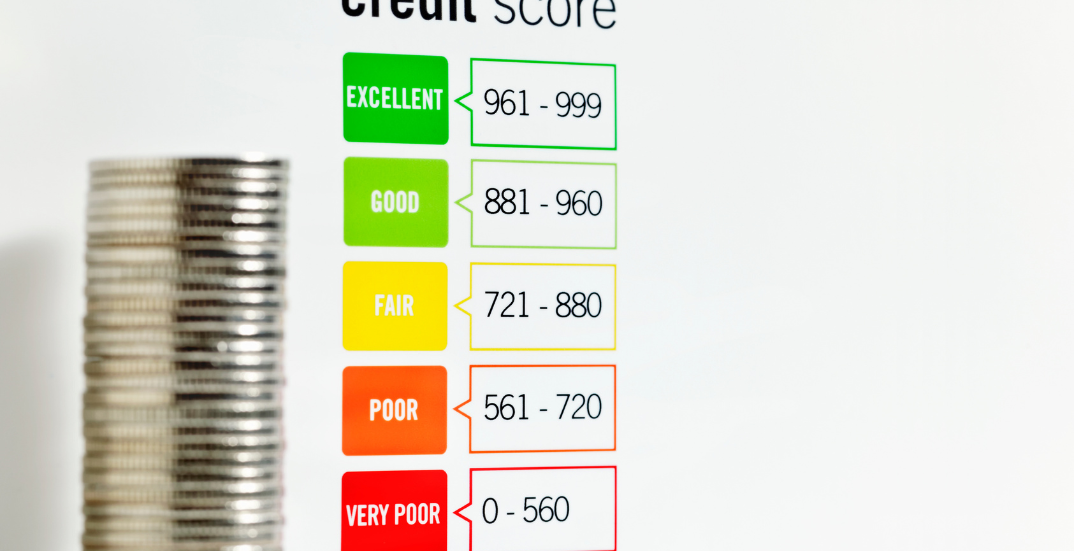
Bankruptcy does not automatically change every ownership arrangement or remove every lien. It can also remain on your credit report for years, so rebuilding credit tends to be a gradual process.
Focus on accurate credit reports, bills you can afford, and consistent on-time payments rather than expecting your score to recover within a set number of months.
Get Answers Before You Make Changes to Joint Property
Questions about property should be addressed before you file, especially when someone else has an ownership interest.
Debt Advisors Law Offices can review how your property is titled, how much equity it has, which exemptions may apply, and how Chapter 7 or Chapter 13 could affect both you and the other owner.
Schedule a free consultation to discuss your property, debts, and bankruptcy options.