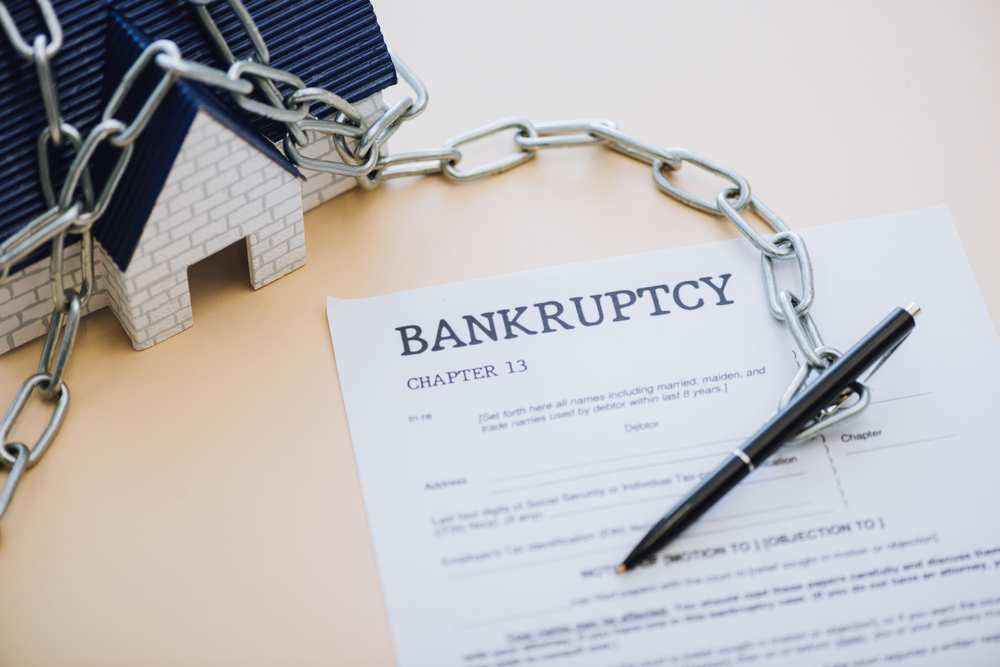
Filing for bankruptcy does not automatically put your job at risk. It also does not stop you from applying for new jobs. Federal law protects workers from some types of bankruptcy discrimination. The rules are different for government and private employers.
A bankruptcy may also appear on a background check. This can matter for some jobs, especially positions that involve money or require a security clearance.
This guide explains what bankruptcy can mean for your job, future applications, background checks, and professional licenses. A Wisconsin bankruptcy attorney can also explain how the rules may apply to your situation.
Can an Employer Discriminate Against You Because of Bankruptcy?
Federal bankruptcy law protects workers from some actions based only on a bankruptcy filing.
Government Employers
Under 11 U.S.C. § 525(a), a government employer generally cannot refuse to hire you just because you filed bankruptcy. It also cannot fire you or treat you differently at work for that reason alone.
The law can also protect against certain actions based on past insolvency or debts discharged through bankruptcy.
A government employer generally cannot use your bankruptcy alone as a reason to deny you a job.
Private Employers
The rules are different for private employers. Under Section 525(b), a private employer generally cannot fire a current employee or discriminate against that employee solely because of a bankruptcy filing.
The law does not give private job applicants the same hiring protection found in the government provision. This difference has been recognized by federal courts.
|
Situation
|
General Federal Rule
|
| Government job denied only because of bankruptcy |
Generally prohibited |
| Government worker fired only because of bankruptcy |
Generally prohibited |
| Private worker fired only because of bankruptcy |
Generally prohibited |
| Private job denied because of bankruptcy |
§ 525(b) does not provide the same hiring protection |
| Government license action based only on bankruptcy |
May be protected by § 525(a) |
Can Bankruptcy Show Up in a Job Background Check?
Yes. Bankruptcy is a public court record, so it may appear in some background reports. An employer may use a background reporting company to check your history. The Fair Credit Reporting Act gives you certain rights when this happens.
The employer generally must:
- Tell you in writing that it plans to get the report
- Get your written permission
- Give you a copy of the report if it may use the report against you
- Give you a summary of your rights under the FCRA
You can dispute information that is wrong or incomplete. This is important if a background report contains an error. Bankruptcy can also affect your credit history after bankruptcy. Your credit report and an employment background check are not always the same thing.
Can Bankruptcy Affect a New Job Application?
It can, but the rules depend on the employer and the job. Government employers generally cannot deny you a job only because you filed bankruptcy. Private employers have fewer restrictions under federal bankruptcy law.
The type of position can matter, too. Some jobs involve financial duties, licensing, or other screening requirements.
State and local laws may also give workers additional protection.
Bankruptcy does not automatically prevent you from getting a new job. The rules depend on who is hiring and what the job requires.
What About Government Jobs and Security Clearances?
A bankruptcy filing does not automatically prevent you from working for the government. Some government positions require a security clearance. Financial problems may be reviewed as part of that process. Unpaid debts, missed payments, and other financial issues can come up.
Bankruptcy itself does not determine the outcome. The Defense Counterintelligence and Security Agency uses a whole-person approach when reviewing security concerns. The circumstances behind your financial problems can matter.
People who already hold certain security clearances may also have reporting duties when their financial situation changes.
Can Bankruptcy Affect a Professional License?
Bankruptcy does not automatically cost you a professional license. Under 11 U.S.C. § 525(a), a government licensing body generally cannot deny, suspend, revoke, or refuse to renew certain licenses solely because you filed bankruptcy or failed to pay a debt that was discharged.
Other licensing rules still apply. A licensing board can require the proper education, training, fees, or other qualifications.
The rules can vary by profession. If your work requires a Wisconsin license, check the requirements for your specific license before filing.
What Should You Do If an Employer Asks About Bankruptcy?
Be honest, but keep your answer simple.
- Answer truthfully if you are required to disclose the filing.
- Do not share more personal information than the employer asks for.
- Check your background report for mistakes.
- Dispute incorrect information as soon as you find it.
- Keep the focus on your skills and qualifications.
It can also help to check your own credit reports before applying for a job that may involve financial screening.

Moving Forward After Bankruptcy
A bankruptcy filing is only one part of your financial history. It does not erase your work experience or professional skills.
You can take a few practical steps after filing:
- Pay your current bills on time.
- Check your credit reports for errors.
- Keep your resume and work records updated.
- Stay current on professional licenses and training.
- Keep copies of your bankruptcy and discharge papers.
These steps can also help when rebuilding your finances after bankruptcy.
FAQs
Can my employer fire me for filing bankruptcy?
Federal law generally protects workers from being fired solely because of a bankruptcy filing when 11 U.S.C. § 525 applies. An employer can still take action for another lawful reason.
Can a private employer refuse to hire me because of bankruptcy?
Section 525(b) does not give private applicants the same hiring protection that applies to government jobs. Other federal, state, or local laws may provide additional protection.
Can an employer check my credit before hiring me?
In some cases, yes. If the employer uses a background reporting company, the FCRA generally requires notice and your written permission before obtaining the report.
Can bankruptcy affect my professional license?
A government licensing body generally cannot take certain actions against a license solely because of bankruptcy when § 525(a) applies. Other licensing rules can still affect your license.
Does bankruptcy stop me from getting a government job?
No. A government employer generally cannot deny you a job solely because you filed bankruptcy. You must still meet the normal requirements for the position.
Get Legal Advice Before Filing
If you are worried about your job or future employment, you do not have to guess how bankruptcy may affect you. A Milwaukee bankruptcy lawyer at Debt Advisors Law Offices can review your situation and explain the rules that may apply.
Contact Debt Advisors Law Offices to schedule a free consultation and discuss your options before filing.