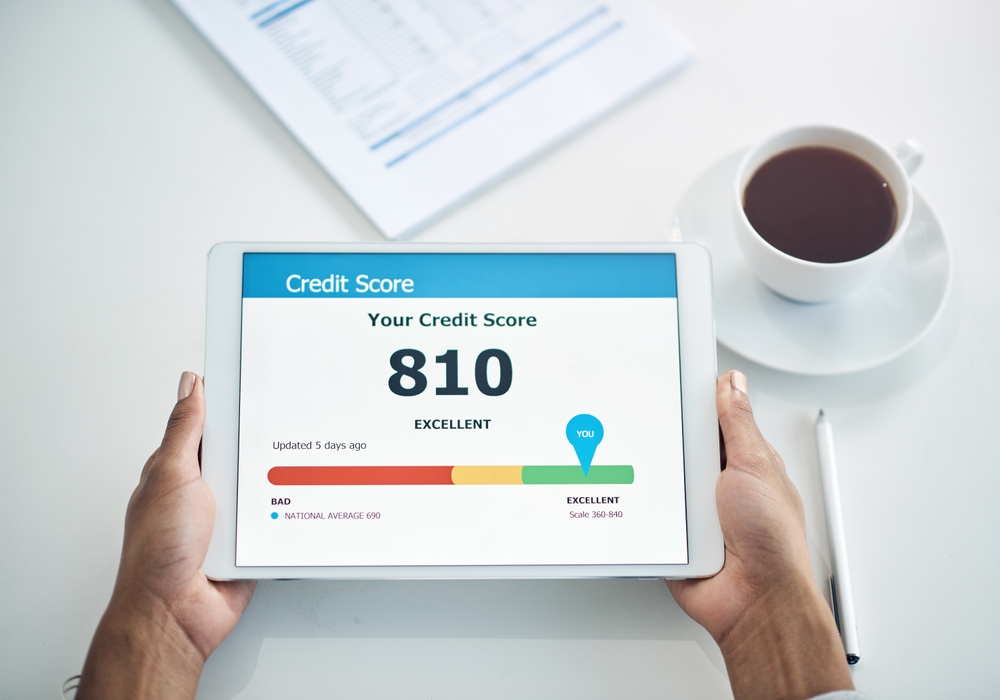
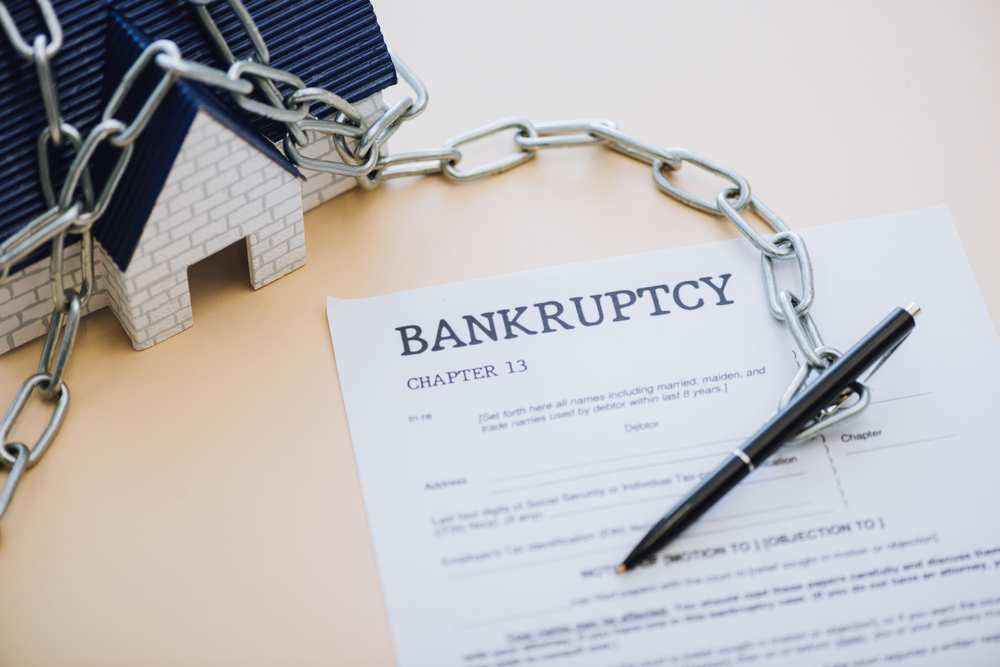
Many people worry that filing bankruptcy will damage their credit forever. They may wonder if they will ever qualify for a loan, credit card, or mortgage again.
Bankruptcy can lower your credit score, but it does not mean you cannot rebuild. The steps you take after filing can play a big role in how your credit improves over time.
Your credit impact depends on your financial history before bankruptcy, the type of bankruptcy you file, and how you manage your money afterward.
In this guide, we explain how bankruptcy affects your credit score, how long the impact may last, and what you can do to rebuild your credit in Wisconsin.
How Does Bankruptcy Affect Your Credit Score?
When you file bankruptcy, it becomes part of your credit history. Lenders can see this information when reviewing your credit report.
Bankruptcy may lower your credit score because lenders may view you as a higher risk after a major debt problem. However, bankruptcy is not the only thing that affects your credit score.
Many people file bankruptcy after already experiencing:
- Missed payments
- Collection accounts
- High credit card balances
- Charged-off accounts
- Lawsuits from creditors
These problems may already be lowering your credit score before you file for bankruptcy. For some people, bankruptcy can create an opportunity to rebuild because it may remove certain debts and make monthly payments easier to manage.
The Consumer Financial Protection Bureau explains that credit scores are based on different factors, including payment history, debt amounts, and credit activity.
How Much Does Bankruptcy Lower Your Credit Score?
There is no fixed number of points that everyone loses after bankruptcy. The impact depends on your credit history before filing.
For example, someone with an excellent credit score may see a larger drop compared with someone who already has missed payments, collections, and high debt balances.
Other factors that affect your credit score include:
- Payment history
- Amount of debt
- Length of credit history
- New credit applications
- Types of credit accounts
Because every person’s situation is different, there is no exact timeline for how quickly a credit score will improve.

Chapter 7 vs Chapter 13: Credit Score Impact
Chapter 7 and Chapter 13 bankruptcy both affect credit, but they work differently.
| Bankruptcy Type |
Credit Impact
|
| Chapter 7 |
Removes qualifying debts but may remain on credit reports longer |
| Chapter 13 |
Uses a repayment plan and may remain on credit reports for a shorter period |
Chapter 7 is often used by people who cannot repay their debts. It may help discharge certain unsecured debts, such as credit cards and medical bills.
Chapter 13 creates a repayment plan that usually lasts three to five years. It may help people who need time to catch up on certain payments while keeping their property.
Neither type of bankruptcy guarantees a specific credit result. The effect depends on your financial history and how you manage credit afterward. You can learn more about bankruptcy chapters through the U.S. Courts Bankruptcy Basics guide.
How Long Does It Take to Recover Credit After Bankruptcy?
Credit recovery does not happen overnight. It usually happens through steady financial habits.
First Few Months After Filing
After bankruptcy, focus on creating stability.
Helpful steps include:
- Review your credit reports
- Create a realistic budget
- Pay all bills on time
- Avoid unnecessary borrowing
You can check your credit reports from all three credit bureaus through the official Annual Credit Report website.
First Few Years
Over time, positive financial activity can help improve your credit profile.
This may include:
- Keeping credit card balances low
- Making payments on time
- Using credit carefully
- Avoiding missed payments
Long Term
Bankruptcy does not remain the only factor lenders consider forever. As time passes, lenders may focus more on your recent payment history, income, current debt, and overall financial situation.

Steps to Improve Your Credit After Bankruptcy
Rebuilding credit after bankruptcy starts with simple habits. The goal is to show lenders that you can manage payments and debt responsibly.
Some steps that may help include:
- Pay bills on time: Making regular payments helps create a stronger credit history.
- Keep balances low: Try to avoid using too much of your available credit.
- Review your credit reports: Check for incorrect information and request corrections when needed.
- Limit new credit applications: Applying for several accounts at once can make it harder to manage debt.
- Use credit carefully: Only borrow money when you have a clear plan to repay it.
Some people choose a secured credit card after bankruptcy. These cards usually require a deposit and may help rebuild credit when payments are made on time.
Can You Get Loans After Bankruptcy?
Yes, many people can qualify for loans after bankruptcy.
However, approval depends on factors such as:
- Income
- Credit history after bankruptcy
- Debt levels
- Lender requirements
Some people can get an auto loan after bankruptcy, while others may need more time before applying. The same applies to buying a home.
Your chances of approval depend on factors such as the type of loan, lender requirements, income, and how you have managed credit after bankruptcy. Filing bankruptcy does not automatically prevent you from getting approved, but lenders will review your overall financial situation.
Frequently Asked Questions
Will my credit score recover after bankruptcy?
Yes, but it takes time. Your score can improve as you make payments on time, manage debt carefully, and build a stronger credit history.
How long will bankruptcy affect my credit?
The impact depends on whether you file Chapter 7 or Chapter 13. Each type stays on your credit report for a different period.
Can I apply for a credit card after bankruptcy?
You may be able to get a credit card after filing. Some people start with secured cards because they can be easier to qualify for.
How soon can I get a car loan after bankruptcy?
There is no set timeline. Lenders usually look at your income, recent payment history, and current financial situation before making a decision.
What is the best way to improve my credit after bankruptcy?
Start with basic habits. Pay bills on time, keep credit balances low, and avoid taking on payments that do not fit your budget.
Is avoiding credit the best choice after bankruptcy?
Using a small amount of credit and paying it as agreed can help show lenders that you can manage credit responsibly.
Taking the Next Steps
The steps you take after filing, such as paying bills on time and managing credit carefully, can help rebuild your credit history. If you are unsure how bankruptcy may affect your credit or future borrowing options, our attorneys at Debt Advisors Law Offices can review your situation and explain your options under Wisconsin law.
Debt Advisors Law Offices is a debt relief agency. We help people file for bankruptcy under the Bankruptcy Code.