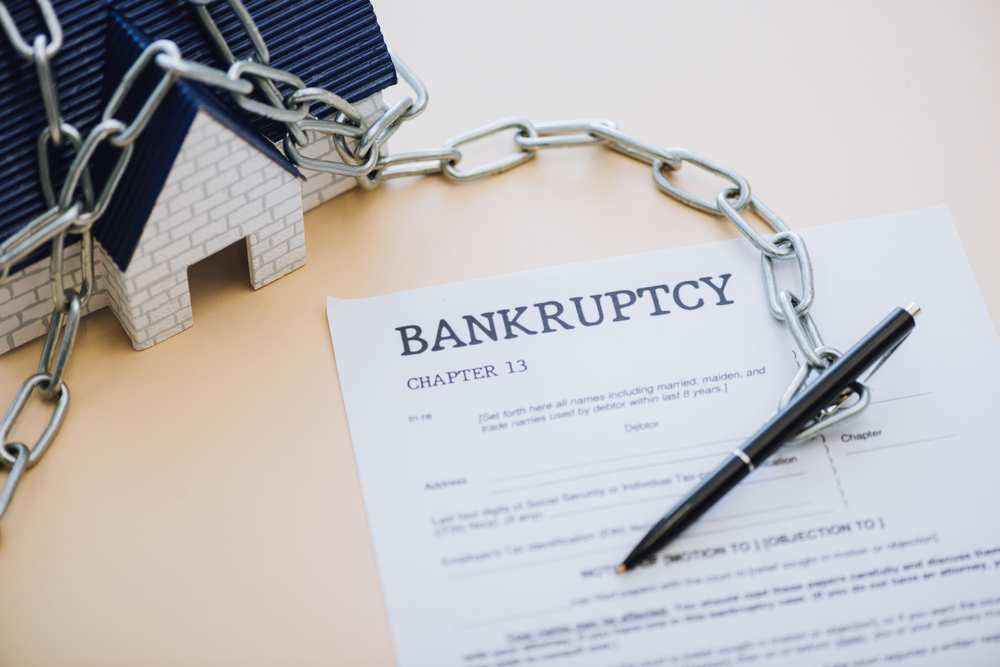
A Chapter 13 bankruptcy can sometimes change how certain secured debts are handled through a process called a cramdown. It does not erase the debt, but it may reduce the secured portion to the property’s actual value.
For example, if you owe $16,000 on a car worth $9,000, a cramdown may allow the secured debt to be based on the car’s $9,000 value. The remaining $7,000 may be treated as unsecured debt, depending on the circumstances.
The rules come from the federal Bankruptcy Code, so the basic framework applies nationwide, though other factors can affect how it works in an individual case.
Key Takeaways
- A cramdown splits a loan into a secured part (the collateral’s value) and an unsecured part, under 11 U.S.C. § 506(a).
- You keep the asset and pay only its value through your Chapter 13 repayment plan.
- Car loans, rental-property mortgages, and household goods often qualify.
- Your primary-residence mortgage almost never does, thanks to the anti-modification rule.
- The 910-day rule blocks a cramdown on a recently financed personal-use car.
- Lien stripping can remove a wholly unsecured junior mortgage.
Why A Cramdown Matters In A Chapter 13 Plan
A cramdown can help when you owe more on an asset than it is worth. Instead of repaying the full loan balance, the secured portion may be based on the collateral’s value under your Chapter 13 repayment plan.
The plan usually lasts three to five years, and the remaining balance after the secured amount is treated as unsecured debt may be treated differently under bankruptcy rules. As the U.S. Courts explain, Chapter 13 allows individuals to restructure certain secured debts and repay them over the life of the plan.
For people trying to keep a financed vehicle or other eligible property, a cramdown can make the repayment plan more manageable.
How A Chapter 13 Cramdown Actually Works
The legal engine is valuation. Under § 506(a), a claim is secured only “to the extent of the value” of the collateral and is “an unsecured claim” above it. That splits the $16,000 loan into a $9,000 secured claim and a $7,000 unsecured one.
Keeping the collateral comes with conditions. Section 1325(a)(5) gives three paths: the creditor accepts the plan, keeps its lien and receives property worth “not less than the allowed amount of such claim,” or takes back the collateral.
A cramdown takes the middle path, paying the $9,000 secured value while the $7,000 shares in what your other unsecured creditors receive, and then disappears at completion.

What You Can And Cannot Cram Down
Most secured debts can be crammed down, with one large exception: your main home’s mortgage.
- A car loan, when the personal-use vehicle was bought more than 910 days before filing.
- An investment or rental-property mortgage, subject to plan-length limits.
- Furniture or appliances bought more than one year before filing.
- A mortgage secured only by your principal residence (cannot be crammed down).
- A personal-use car bought within the 910-day window (cannot).
- Personal property bought within one year before filing (cannot).
Beyond cars, cramdown can reach investment-property mortgages and household goods. If the house is the problem, the fix is usually to cure the arrears to save it from foreclosure, not to reduce the loan.
Why Your Home Mortgage Usually Cannot Be Crammed Down
The exception comes straight from the US Supreme Court. In Nobelman v. American Savings Bank, 508 U.S. 324 (1993), the Court held unanimously that § 1322(b)(2) “prohibits a Chapter 13 debtor from relying on § 506(a) to reduce an undersecured homestead mortgage to the fair market value of the mortgaged residence.”
In that case, the debtors owed $71,335 on a Dallas condominium worth only $23,500, and even with that gap, they could not strip the loan to the home’s value.
The Court focused on the lender’s contractual “rights,” so cutting the principal would modify those rights in a way § 1322(b)(2) forbids. One narrow exception remains: lien stripping.
That is not a cramdown of the first mortgage but the removal of a wholly unsecured junior mortgage when the home is worth less than the first-mortgage balance.
Under the same § 506 valuation, a second lien with $0 of equity behind it is fully unsecured.

The 910-Day Rule For Car Loans
Timing is everything with a car cramdown. The Bankruptcy Code’s “hanging paragraph” at the end of § 1325(a) blocks a cramdown for a purchase-money lender when “the debt was incurred within the 910-day period” before filing, and the collateral is “a motor vehicle… acquired for the personal use of the debtor.”
That is about two and a half years, so a recent personal-use car usually means paying the full loan, not its value. A parallel one-year rule covers other personal property.
Congress wrote these limits to prevent buyers from financing a pricey new car right before bankruptcy and having the loan stripped. So an older car loan may qualify while a brand-new one will not, and meanwhile, you can act to stop a vehicle repossession.
Frequently Asked Questions
Can I cram down my car loan?
Often, yes, if you bought it for personal use more than 910 days before filing; inside that window, the hanging paragraph makes you pay the full loan.
Can I Cram Down My House?
Usually, no. A Chapter 13 cramdown generally cannot reduce a mortgage on your primary residence to the home’s current value because of the Supreme Court’s decision in Nobelman v. American Savings Bank.
Is Lien Stripping the Same as a Cramdown?
No. A cramdown reduces a secured debt to the value of the collateral. Lien stripping involves removing a junior mortgage lien when there is no equity securing it.
See If a Chapter 13 Cramdown Fits Your Situation
A cramdown is not automatic. It depends on the type of debt, the property involved, and whether your repayment plan meets bankruptcy requirements.
If you are considering Chapter 13 and want to know whether a cramdown may apply to your situation, a Wisconsin bankruptcy attorney can review your options and explain the next steps.
We offer a free, no-obligation review to help you understand your options and what steps may make sense for your situation.