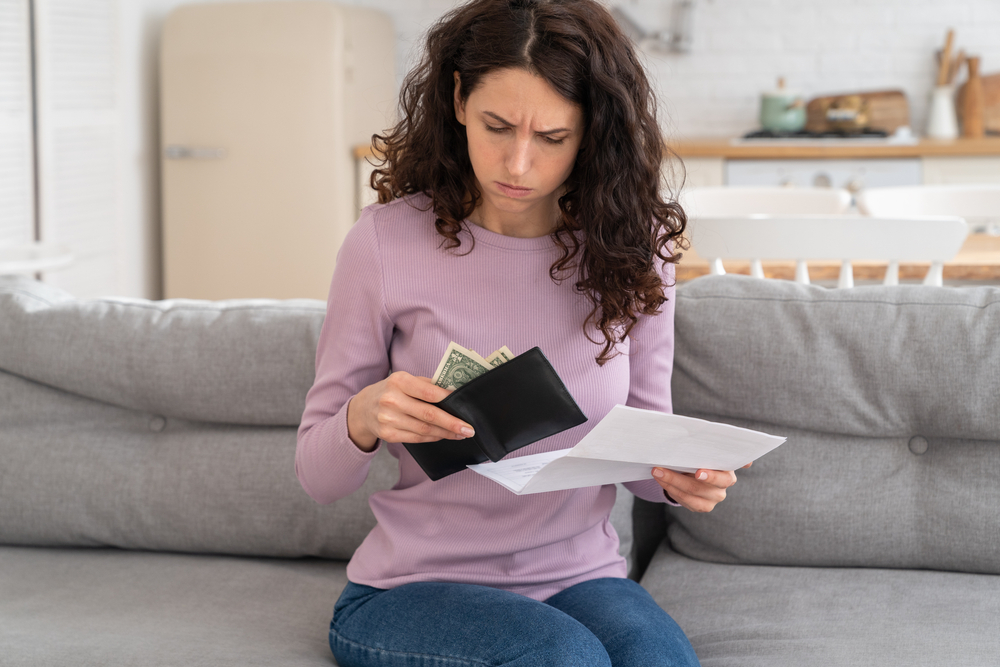
Payday loans can become difficult to repay once fees and interest start adding up. A short-term loan meant to cover one expense may soon compete with rent, utilities, groceries, and other monthly bills.
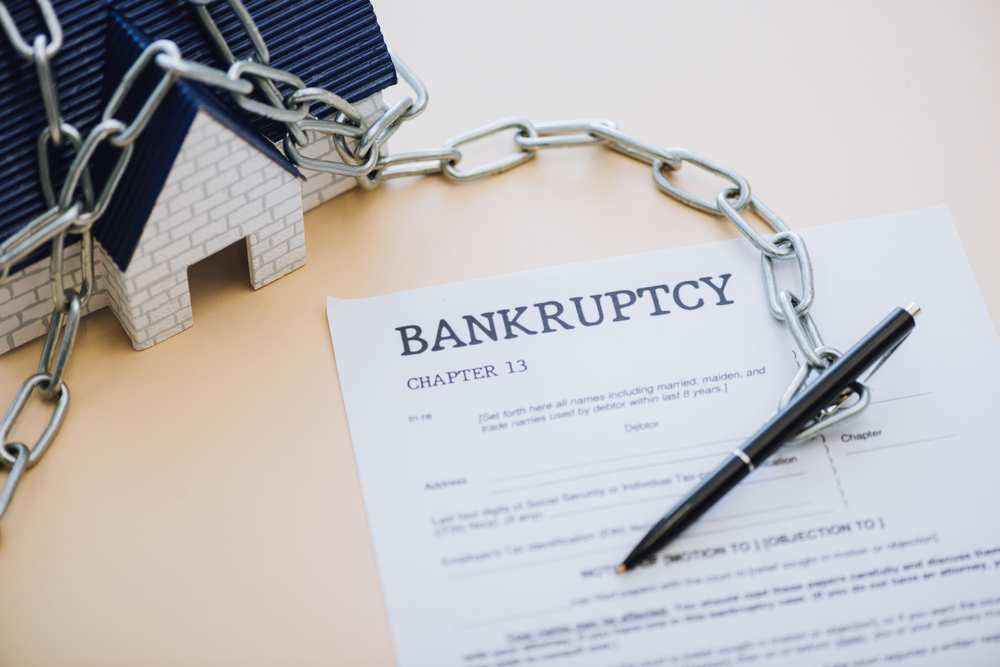
For Wisconsin borrowers dealing with several payday loans or repeated collection attempts, bankruptcy may be one option to consider. Most payday loans are unsecured debts, which means they may be included in a bankruptcy case. A Wisconsin bankruptcy attorney can review the loans, your other debts, and the timing of recent borrowing before you file.
This guide explains whether you can file bankruptcy on payday loans, how Chapter 7 and Chapter 13 treat them, and what Wisconsin borrowers should know before filing.
Understanding Payday Loans in Wisconsin
Payday loans are short-term loans, usually due on or around your next payday. In Wisconsin, a payday loan generally has a term of 90 days or less and involves a post-dated check or authorization for a future electronic withdrawal.
Wisconsin does not set a maximum interest rate that licensed payday lenders can charge during the loan term. Because borrowing costs can be high, repaying one loan while covering normal expenses may become difficult.
“Wisconsin payday loan borrowers often face APRs exceeding 500%, making repayment nearly impossible without outside financial relief.”
If repayment has become a problem, taking another payday loan to cover the first one can make the balance harder to manage.
Are Payday Loans Dischargeable in Chapter 7?
In many cases, payday loans can be discharged in Chapter 7 bankruptcy. Most are unsecured debts, so they are usually treated much like credit card balances or medical bills.
Problems can come up if the lender claims the loan was obtained through fraud or false information. A loan taken shortly before filing may also get closer review, depending on the facts.
“Under U.S. bankruptcy laws, payday loans taken within 70 days of filing may not be eligible for discharge due to fraud presumptions.” – 11 U.S.C. § 523(a)(2)(C)
If you borrowed recently, give your attorney the loan agreement and payment history. They can review the timing and explain whether the lender may have grounds to challenge the debt.

How Chapter 13 Handles Payday Loans
Chapter 13 bankruptcy takes a different approach. Instead of using the Chapter 7 process, you make payments under a court-approved plan that usually lasts three to five years. You can include payday loans and other qualifying unsecured debts in that plan.
How much unsecured creditors receive depends on the facts of the case, including your income, expenses, property, and bankruptcy rules. Some eligible balances may be discharged after you complete the plan.
Filing also puts an automatic stay in place in most cases. This generally stops creditors from continuing collection activity while the bankruptcy case is pending.
Chapter 7 vs. Chapter 13 for Payday Loan Debt
Both chapters can address payday loans, but they work differently.
|
Chapter 7 |
Chapter 13 |
| Basic approach |
Discharge of qualifying debts |
Court-approved repayment plan |
| Payday loans |
Often treated as unsecured debt |
Usually included with other unsecured debts |
| Length |
Often completed within several months |
Usually 3–5 years |
| Income |
Means test may apply |
Requires regular income and ability to fund a plan |
| Property |
Non-exempt property may be at risk |
Filers generally keep property while completing the plan |
| Collection activity |
Automatic stay generally applies |
Automatic stay generally applies |
The better choice is not based on payday loans alone. Other debts, income, property, missed mortgage or vehicle payments, and previous bankruptcy filings can also matter.
Key Wisconsin Laws Affecting Payday Loans
Wisconsin payday lenders are licensed and regulated by the Department of Financial Institutions under Wis. Stat. § 138.14.
A few protections are especially important:
- Debt collection rules: Wisconsin Statutes Chapter 427 prohibits harassment, threats of criminal prosecution, and other improper collection practices.
- No wage garnishment by a payday lender: A licensed payday lender may sue for a judgment, but Wisconsin DFI says it cannot garnish your wages for a qualifying payday loan.
- Repayment plans: In some situations, a lender must offer a repayment plan when the loan cannot be paid at maturity.
- Federal bankruptcy rules: Debts obtained through fraud may be excluded from discharge under 11 U.S.C. § 523.
These rules do not erase the debt by themselves, but they can affect how the lender collects and how the loan is treated if you file bankruptcy. If collection calls have become a problem, you can also read more about ways to stop creditor harassment.
What Happens to Collection Efforts After Filing?
Bankruptcy generally creates an automatic stay as soon as the case is filed. For most covered debts, creditors must stop collection calls, lawsuits, and other attempts to collect directly from you while the stay applies.
The automatic stay has exceptions and does not solve every issue with every creditor. Your attorney can explain how it applies to payday lenders in your case.
Once a qualifying debt is discharged, the creditor can no longer try to collect that discharged debt from you personally.

Are There Alternatives to Bankruptcy?
Bankruptcy is not the only way to deal with payday loan debt. Depending on the amount you owe and what you can afford, you might consider:
- Asking the lender about a repayment plan
- Negotiating a settlement
- Working with a reputable credit counselor
- Looking at debt consolidation
Before taking another loan to pay an existing payday lender, review the new interest rate, fees, and monthly payment closely. Moving debt from one high-cost loan to another may not solve the underlying problem.
FAQs
Can you file bankruptcy on payday loans?
Payday loans can generally be included in bankruptcy. Whether a particular balance is discharged depends on the loan and circumstances surrounding the debt.
Will a payday lender keep taking money from my bank account after I file?
Bankruptcy generally stops collection on covered debts. Tell your attorney about any automatic withdrawals or electronic payment authorizations connected to the lender.
What if I have several payday loans?
List every lender and balance when preparing your bankruptcy paperwork. You can handle multiple payday loans as part of the same bankruptcy case.
Can a payday lender sue me before I file bankruptcy?
A lender may have collection options if a loan goes unpaid. If you receive court papers, do not ignore them.
Do I have to close my bank account before filing?
Not automatically. If a payday lender has withdrawal authorization, discuss the account with your attorney before making changes.
Talk With An Attorney About Payday Loan Debt
Payday loans are rarely the only financial issue involved when someone considers bankruptcy. Credit cards, medical bills, missed loan payments, or collection accounts may also need to be reviewed.
Debt Advisors Law Offices can look at your payday loans along with the rest of your debts and explain how Chapter 7 or Chapter 13 may apply to your situation.
Schedule a free consultation to discuss your bankruptcy options with a Wisconsin bankruptcy attorney.
Debt Advisors Law Offices is a debt relief agency. We help people file for bankruptcy under the Bankruptcy Code.