The financial challenges that began during the COVID-19 pandemic are still affecting families across the country. Even though the pandemic is behind us, many people continue to struggle with job loss, reduced income, and growing debt. For Wisconsin residents facing these issues, bankruptcy remains a legal and practical way to get a financial fresh start.
This guide explains how the pandemic reshaped personal debt, when bankruptcy might make sense, and what steps to take before filing. It focuses on education and awareness, not sales helping readers understand how to make informed financial decisions during tough times.
How the Pandemic Changed Debt in America
The pandemic created one of the largest financial disruptions in decades. While employment numbers have improved, many households are still trying to recover from years of economic stress. According to the Federal Reserve, consumer debt in 2025 remains higher than pre-pandemic levels, with credit card balances exceeding $1 trillion.
In Wisconsin, the Department of Financial Institutions reported a gradual rise in bankruptcy filings since 2023, showing that families continue to feel the effects of inflation and high living costs. Medical expenses and increased interest rates have added more pressure, especially for middle-income earners.
Even for those who regained employment, lingering debts such as unpaid bills or maxed-out credit cards can quickly become overwhelming. That’s why understanding the legal tools for relief, including bankruptcy, is so important.
When Is It Time to Consider Bankruptcy?
Recognizing when to take action is often the hardest step. Bankruptcy isn’t a last resort, it’s a financial strategy created by federal law to help individuals regain control.
You might consider bankruptcy if you are:
These signs often mean your debt has reached an unmanageable level. Bankruptcy helps stop collection efforts and provides immediate legal protection through the automatic stay, preventing creditors from seizing your property or wages.
It’s also a common myth that you need a job to file for bankruptcy. In Wisconsin, both Chapter 7 and Chapter 13 filings are designed to protect individuals regardless of employment status, as long as you meet the income or repayment requirements.
Comparing Debt Relief Options in 2025
Before deciding on bankruptcy, it’s helpful to understand how it compares to other debt relief options. Some individuals choose debt consolidation or credit counseling programs. These may work for smaller amounts of debt but are limited if your income cannot keep up with payments.
Bankruptcy, on the other hand, provides structured legal protection and can discharge certain types of debt entirely. The choice depends on your situation, income, and goals for the future.
Chapter 7 vs Chapter 13: Key Differences for Wisconsin Consumers
|
Aspect
|
Chapter 7 |
Chapter 13
|
| Eligibility |
Based on income through a means test |
Requires regular income |
| Duration |
About 4–6 months |
3–5 years repayment plan |
| Asset Protection |
Non-exempt assets may be sold |
Assets are kept while repaying |
| Best for |
Low income, high unsecured debt |
Steady income, seeking structured repayment |
| Credit Impact |
Lasts up to 10 years |
Lasts up to 7 years |
Understanding these differences helps you decide which option fits your financial situation.
What Has Changed Since COVID-19
Government relief programs such as stimulus checks and temporary loan forbearances helped many people survive the pandemic years, but those programs have now ended. For many, unpaid rent, medical bills, and credit card balances have continued to grow.
Consumer behavior also shifted. People began relying more on credit to handle daily expenses, which led to long-term financial strain. Inflation has further reduced the value of savings, leaving many households with limited room to recover.
Bankruptcy filings dropped in 2021 and 2022 due to federal assistance but have since increased as those temporary programs expired. The U.S. Trustee Program continues to monitor filings to ensure compliance with the Bankruptcy Abuse Prevention and Consumer Protection Act (BAPCPA), which protects both consumers and creditors.
According to the Federal Reserve (2025), consumer debt levels remain higher than pre-pandemic averages, with credit card balances surpassing $1 trillion nationwide.
Steps to Take Before Filing
Filing for bankruptcy requires preparation. Before submitting a petition, every individual must complete a credit counseling course from an approved provider. This step ensures you understand your options and confirm that bankruptcy is the right path for you.
Collecting documentation is also critical. You’ll need:
- Proof of income, expenses, and recent tax returns.
- A full list of debts, assets, and property ownership.
It’s important to seek advice only from licensed Wisconsin bankruptcy attorneys or certified credit counselors. Avoid online advice or generic financial blogs that don’t apply to your specific situation.
Rebuilding Financial Health After Bankruptcy
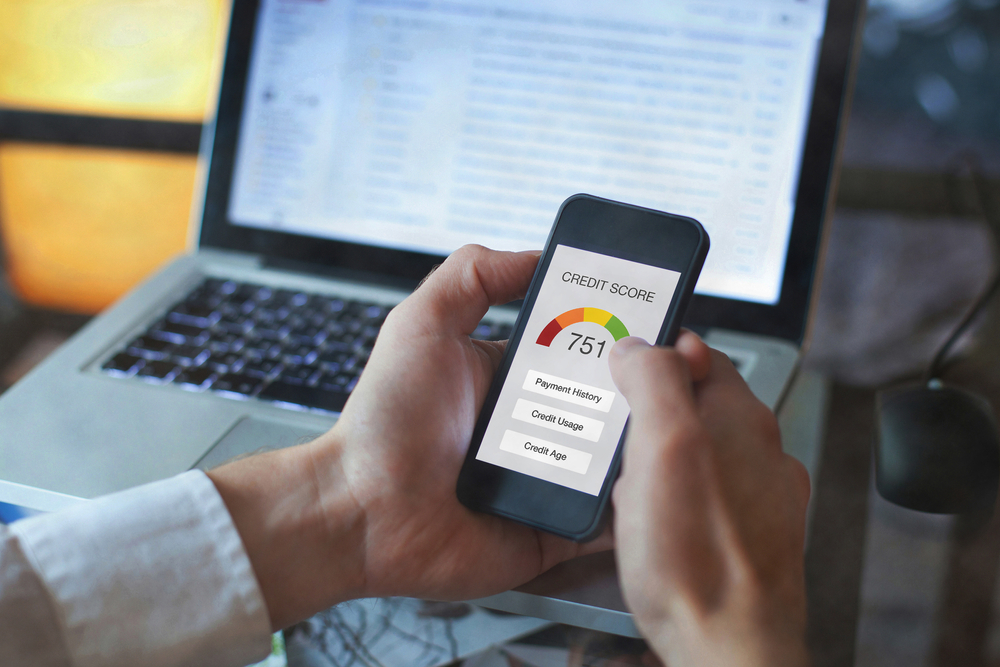
Bankruptcy isn’t the end of your financial story, it’s the beginning of rebuilding. Once your debts are discharged, you can start restoring your credit and improving your long-term stability.
Rebuilding starts with responsible financial habits. Create a realistic budget, pay bills on time, and consider using a secured credit card to reestablish your credit profile. Wisconsin requires both pre- and post-filing financial education courses, designed to help filers learn better money management strategies.
“Bankruptcy may affect your credit but offers a legal path toward a fresh financial start.” – Debt Advisors Law Offices
The goal is not just to erase debt but to help individuals regain confidence and long-term control over their finances.
FAQs
How did the COVID-19 pandemic change how people view bankruptcy?
It helped reduce stigma, showing that bankruptcy is a valid legal tool for financial recovery.
Is it better to wait for economic recovery before filing for bankruptcy?
Waiting often makes debt worse; bankruptcy can protect assets immediately.
Do I need a job to file for bankruptcy in Wisconsin?
Not always. Eligibility depends on income level and repayment ability.
Will filing bankruptcy erase all my debts?
Some debts remain, like taxes, student loans, or child support.
How soon can I rebuild credit after bankruptcy?
You can start rebuilding right after discharge through careful financial habits.
Is bankruptcy the only option for COVID-related debt?
No, other options include credit counseling and debt management programs.
Conclusion
Financial hardship doesn’t disappear overnight, and the effects of the pandemic still echo in many households. If your debt feels unmanageable, remember that bankruptcy is a lawful process designed to protect you and provide relief, not punishment.
Debt Advisors Law Offices has helped countless Wisconsin residents understand their rights and regain stability. With multiple offices and virtual consultation options, the firm offers clear, honest guidance tailored to your needs.
Take the first step toward a financial fresh start. Schedule a free consultation with Debt Advisors Law Offices to learn your options and begin rebuilding with confidence.