Getting a car loan after bankruptcy is possible, but the terms may be different from what you had before. Your interest rate, down payment, and lender options will depend on your current credit, income, debts, and the type of bankruptcy you filed.
This guide explains how soon you may be able to apply after Chapter 7 or Chapter 13, what lenders may review, how to improve your chances of getting better terms, and what warning signs to watch for before signing a loan agreement.
How Soon After Bankruptcy Can You Get a Car Loan?
No single waiting period applies to every borrower. Your bankruptcy chapter, whether the case is still open, and the lender’s requirements all matter.
After Chapter 7 Bankruptcy
A Chapter 7 bankruptcy case often reaches discharge about four months after filing, although the timing can vary.
Some people apply for a car loan after discharge. Lenders will still look at your income, credit history, current debts, and how much you want to borrow before deciding whether to approve the loan.
If buying a car is not urgent, waiting a little longer may help. You can use that time to check your credit, save for a down payment, and decide what monthly payment fits your budget.
During Chapter 13 Bankruptcy
Chapter 13 bankruptcy usually includes a repayment plan that lasts three to five years. You may still be able to finance a car while the case is open, but you may need approval before taking on the new debt. The court or trustee may want to see that the payment fits your budget and does not affect your repayment plan.
Speak with a Wisconsin bankruptcy attorney before signing a car loan during an active Chapter 13 case.
What Do Auto Lenders Look At After Bankruptcy?
Your bankruptcy is only one part of the application. An auto lender may also consider:
- Your current income
- Your credit score and credit history
- Existing monthly debts
- The amount you want to borrow
- Length of the loan
- Size of your down payment
A larger down payment can reduce the amount you need to finance. Choosing a less expensive vehicle can do the same.
Before shopping, calculate the full cost of owning the car. Include the loan payment, insurance, fuel, maintenance, registration, and other regular costs.

Prepare Your Credit Before You Apply
Check your credit reports before applying for a loan. Make sure debts discharged in bankruptcy are being reported correctly and look for other errors that could affect your application. You can learn more about reviewing your credit report after bankruptcy.
From there, keep the basics simple:
- Pay current accounts on time.
- Keep credit card balances low.
- Avoid applying for credit you do not need.
- Consider a secured credit card if you need to rebuild credit and the issuer reports payments to the credit bureaus.
Credit recovery takes time. There is no set number of months that guarantees a better auto loan offer.
Compare Car Loan Offers Before Choosing One
Do not assume the dealership has the best financing available. Start with your bank or credit union and see whether you can get preapproved. Then compare that offer with dealer financing and other lenders.
The CFPB recommends shopping with several lenders before buying a vehicle. Auto loan inquiries made within a typical rate-shopping window of about 14 to 45 days generally count as one inquiry for scoring purposes, depending on the credit scoring model. (consumerfinance.gov)
When comparing offers, look at more than the monthly payment. Check:
- Annual percentage rate (APR)
- Loan term
- Amount financed
- Total interest paid
- Fees and add-ons
- Prepayment penalties, if any
A lower monthly payment can still cost more if the loan lasts much longer.
Where Can You Look for a Car Loan?
You may find financing through several sources.
- Banks and credit unions may be worth checking first. Even with damaged credit, asking about preapproval can give you a useful rate to compare with dealer financing.
- Dealership financing can be convenient, but compare the APR and total cost with outside offers before signing.
- Subprime lenders work with borrowers who have weaker credit. Rates can be higher, so review the full cost carefully.
- Online lenders are another option, but check the lender and loan terms before providing personal information or accepting an offer.
The CFPB notes that getting financing directly from a bank or other lender can sometimes cost less than dealer-arranged financing because dealer financing may include additional markup.
Be Careful With “Guaranteed Approval” Car Loans
Offers like “no credit check” or “guaranteed approval” can look appealing after bankruptcy, especially if other lenders have turned you down.
Some buy-here, pay-here dealerships offer financing directly to borrowers with poor credit. These loans may come with higher interest rates, larger fees, or less favorable terms than loans from banks or credit unions.
Before signing, check the APR, total amount financed, loan length, and any added fees. Also ask whether the lender reports on-time payments to the credit bureaus.
Approval is only one part of the decision. Make sure the car and loan payment fit your monthly budget.
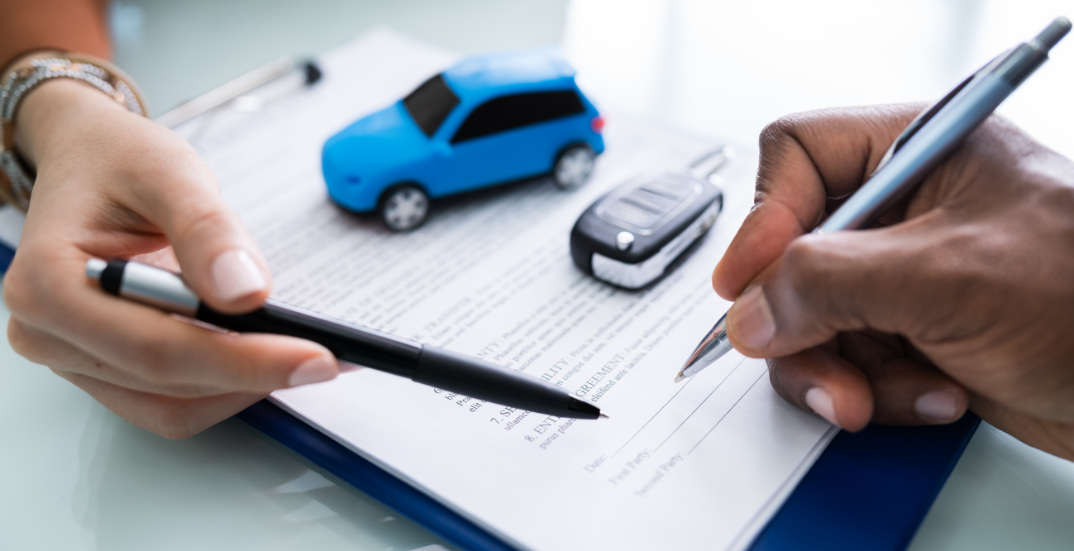
Documents You May Need
Requirements vary by lender, but you may be asked for:
|
Document
|
Why It May Be Requested
|
| Proof of income |
Shows your current earnings |
| ID and address |
Confirms your identity and residence |
| Bankruptcy documents |
Shows the status of your case |
| Insurance information |
Confirms required vehicle coverage |
| Down payment information |
Shows how much you will finance |
Ask the lender what documents it needs before you apply.
FAQs
Will a car loan after bankruptcy always have a higher interest rate?
Not always. The rate depends on your current credit, income, down payment, loan amount, and the lender reviewing your application.
Can I get an auto loan after bankruptcy while Chapter 7 is still open?
It may be possible, but lender rules differ. Speak with your bankruptcy attorney before taking on new debt during an active case.
Does a larger down payment improve my chances of approval?
Putting more money down reduces the amount you need to finance and may make the loan easier for a lender to approve.
How do I get a car loan after bankruptcy with better terms?
Compare several lenders, check your credit first, save for a down payment, and choose a vehicle that fits comfortably within your budget.
Can I get a car loan after Chapter 13 discharge?
Yes. Once the case is complete, you can apply for financing. Your income, credit history, debts, and lender requirements will still affect approval.
Talk With Debt Advisors Law Offices
Buying a vehicle after bankruptcy is possible, but the loan still needs to fit your budget. Taking on a payment that is too high can create new financial problems soon after your case ends.
Debt Advisors Law Offices helps Wisconsin residents understand how bankruptcy may affect future borrowing. If you are still in Chapter 13, an attorney can also explain whether you need approval before financing a vehicle.
If you have questions about your bankruptcy case or taking on new debt, schedule a free consultation to discuss your situation.
Debt Advisors Law Offices is a debt relief agency. We help people file for bankruptcy under the Bankruptcy Code.