Online shopping makes life easier, but it also comes with risks that many people overlook. From data breaches to impulsive spending, one click can sometimes lead to identity theft or even growing credit card debt. This guide explains how to shop safely online, protect your information, and manage your spending before it becomes overwhelming.
Understanding the Hidden Risks of Online Shopping
Online shopping has become a daily habit for millions, yet it’s also a growing target for cybercriminals. Phishing sites, data leaks, and fraudulent stores are on the rise. Many shoppers unknowingly share personal and payment details with unsafe websites, making them vulnerable to scams and financial loss.
Scammers often use fake websites, social media ads, or pop-up messages offering unrealistic discounts. These may contain malware or adware that steals your information. What starts as a small online purchase could lead to unauthorized bank charges or identity theft.
During the pandemic, online shopping also contributed to an increase in credit card debt. Many people fell into “buy now, pay later” traps, which can quietly grow into large balances over time. In Wisconsin and across the country, the number of consumers struggling with online shopping-related debt continues to climb.
“In 2024 alone, the Federal Trade Commission reported over $10 billion lost to online scams, with fraudulent shopping websites topping the list of consumer complaints.”(Source: FTC Consumer Sentinel Network Report)
How to Identify a Secure Website
Before sharing personal details or credit card information, take a moment to check if the website is secure. A genuine site will always use encryption to protect your data.
Look at the web address carefully. A secure website will begin with HTTPS, not just “HTTP.” The “S” stands for secure, meaning your information is being encrypted. Most browsers also show a padlock icon near the address bar, confirming the website’s safety.
Avoid sites that:
- Do not display a clear privacy policy or return policy
- Have numerous pop-ups or redirects
- Use unprofessional web addresses or spelling errors in their URLs
“Before entering any credit card information, verify that the site uses HTTPS and displays a padlock symbol in the browser address bar.”
Legitimate online stores are transparent about how they collect and use your information. Always look for a visible privacy policy and check that customer service details are easy to find.
Safe Practices for Online Purchases
Smart online shopping means combining convenience with caution. One of the most common mistakes is making purchases on public WiFi networks. These shared networks can expose your data to hackers. Always shop on a password-protected, secure connection ideally your home WiFi.
Keep your computer or smartphone updated with the latest software. Outdated systems are easier for malware to exploit. It’s also wise to install anti-virus and anti-malware protection.
Use secure payment methods such as credit cards or trusted digital wallets (PayPal, Apple Pay). These services often include fraud protection if something goes wrong. Before checking out, take a minute to read customer reviews or search the company’s name on Google to confirm legitimacy.
“Even large retailers can experience data breaches and check your credit reports regularly to catch unauthorized activity early.”
When Online Spending Turns into Debt
Convenience can quickly lead to overspending. Online stores are designed to make shopping effortless, and one-click checkouts or installment plans can tempt anyone to buy more than intended.
Many Wisconsin households saw rising credit card balances due to online impulse purchases. The danger lies in how small purchases add up over time. Credit card interest rates can turn a $100 purchase into a $300 debt if balances are not paid promptly.
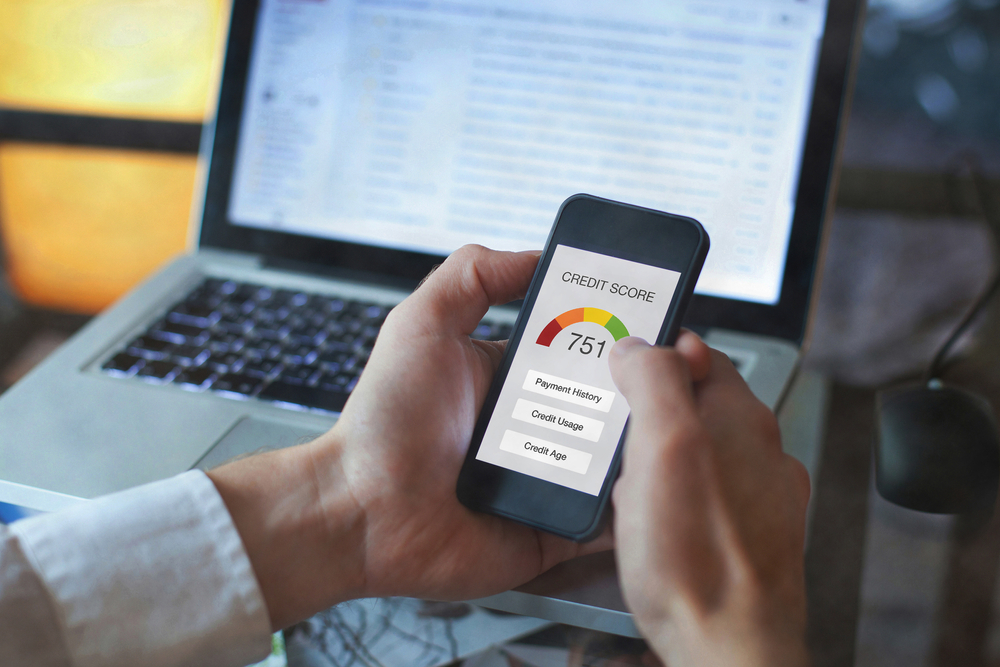
Financial consequences of overspending online go beyond missed payments. It can affect your credit score, savings goals, and even your ability to qualify for loans. The key is recognizing early signs of financial stress minimum payments rising, using multiple cards, or delaying essential bills.
“Wisconsin residents reported more than 7,500 identity theft incidents in 2024, many linked to online transactions.” (Source: Wisconsin Department of Agriculture, Trade and Consumer Protection)
Taking control of your finances early prevents a small issue from becoming a serious problem.
Rebuilding Financial Control and Awareness
If your online spending has gotten out of hand, it’s possible to regain control with the right steps. Start by tracking your expenses. Small recurring purchases, like app subscriptions or “buy now, pay later” plans, add up faster than most people realize.
Create a monthly budget and assign limits for non-essential purchases. Use tools or mobile apps to monitor your spending and stay accountable. Reviewing your bank and credit statements regularly helps you identify unfamiliar transactions before they escalate.
You can also use free resources from the Wisconsin Department of Financial Institutions or the FTC Consumer Resources. These offer guidance on managing credit cards, spotting scams, and building better financial habits. If you feel overwhelmed, professional guidance can help you understand your options and plan a way forward without immediately resorting to legal steps.
Checklist: How to Verify if a Website Is Safe for Online Shopping
| Step |
What to Check
|
Why It Matters
|
| 1 |
HTTPS in the website URL |
Confirms encrypted data transfer |
| 2 |
Padlock symbol in browser bar |
Indicates secure connection |
| 3 |
Visible privacy policy and return terms |
Ensures transparency and legitimacy |
| 4 |
Verified payment gateway (Visa Secure, PayPal, etc.) |
Protects against unauthorized transactions |
| 5 |
No unsolicited pop-ups or redirects |
Reduces malware and phishing risks |
FAQs
How can I tell if an online store is legitimate?
Check for HTTPS in the URL, a detailed privacy policy, verified payment options, and genuine customer reviews from reliable platforms.
Is it safe to shop online using public WiFi?
No. Public WiFi is not encrypted. Always use a private, password-protected connection when shopping or entering payment details.
What should I do if I suspect my credit card was compromised online?
Contact your bank, change passwords, and review transactions. Report fraud to the FTC and Wisconsin Consumer Protection Agency.
How does online shopping contribute to debt?
Impulse purchases and deferred payments increase balances quickly, making it difficult to manage credit card bills over time.
What steps can help me control online spending?
Set spending limits, track expenses weekly, and review statements. Awareness and planning are key to long-term financial stability.
Where can Wisconsin residents learn more about financial literacy?
Visit the Wisconsin Department of Financial Institutions or the FTC website for free resources on managing money responsibly.
Conclusion
Online shopping offers convenience, but safety and discipline are essential. Protecting your personal data, verifying secure websites, and keeping track of expenses can help you avoid fraud and financial stress. Responsible spending starts with awareness.
If you’ve noticed that online purchases or credit card debt are becoming unmanageable, Debt Advisors Law Offices can help you understand your financial options and plan a clear path toward stability.
Schedule a free, no-obligation consultation to learn how you can take back control of your financial future.