Foreclosure is one of the toughest challenges a homeowner can face. Across the United States, large foreclosure settlements have reshaped the way banks and lenders must treat borrowers. For Wisconsin residents, these changes bring new protections, relief opportunities, and lessons for the future.
This article explains what the recent foreclosure settlement means, how it affects homeowners in Wisconsin, and what options exist if you are facing foreclosure.
What Was the Recent Foreclosure Settlement?
The foreclosure settlement was reached between federal regulators, several states, and major mortgage servicers after widespread reports of improper and rushed foreclosures. The settlement forced banks to change their practices, provide compensation to some borrowers, and increase oversight on mortgage servicing.
The settlement included billions in relief measures nationwide. For many homeowners, this meant access to mortgage modifications, financial compensation, and stronger protections against wrongful foreclosure.
While the settlement itself was national, its impact is also felt at the state level, including in Wisconsin where judicial foreclosure laws already provide certain consumer safeguards.
Foreclosure Trends in Wisconsin
Wisconsin has seen fluctuations in foreclosure activity over the last decade. While numbers peaked during the housing crisis and again during the pandemic, recent years show a decline. Still, thousands of families face foreclosure annually.
Unlike some states, Wisconsin uses judicial foreclosure, which means lenders must go through the courts to complete the process. According to Wisconsin Court System data, this ensures borrowers receive formal notice and a chance to respond before losing their homes.
Metropolitan areas such as Milwaukee and Madison tend to record the highest foreclosure filings, while smaller cities also feel the impact when local economies struggle.
How the Settlement Affects Wisconsin Homeowners
For Wisconsin homeowners, the settlement reinforced existing protections and added more accountability for lenders. Homeowners who were wrongfully foreclosed upon may have been eligible for compensation. More importantly, the settlement created new servicing standards requiring lenders to review all documentation carefully before starting a foreclosure.
It also improved access to mortgage relief options. Borrowers could apply for modifications that adjusted loan terms or payment schedules. For those at risk, these reforms meant a stronger chance of avoiding foreclosure altogether.
While not every Wisconsin homeowner qualified for direct compensation, the broader impact was increased fairness and reduced risk of wrongful foreclosure across the state.
Legal Protections for Borrowers in Wisconsin
Wisconsin law provides specific safeguards for borrowers in foreclosure. Under Wis. Stat. § 846, foreclosure is a judicial process. This means the lender must file a lawsuit, and the homeowner has a right to defend the case.
One important protection is the redemption period. In most cases, borrowers have between six and twelve months after a foreclosure judgment to pay off the debt and reclaim their property. This window gives families valuable time to explore options.
Borrowers also have protections against wrongful foreclosure practices. Lenders must follow due process, provide proper notice, and act in good faith throughout the proceedings.
Bankruptcy and Foreclosure — What Wisconsin Residents Should Know
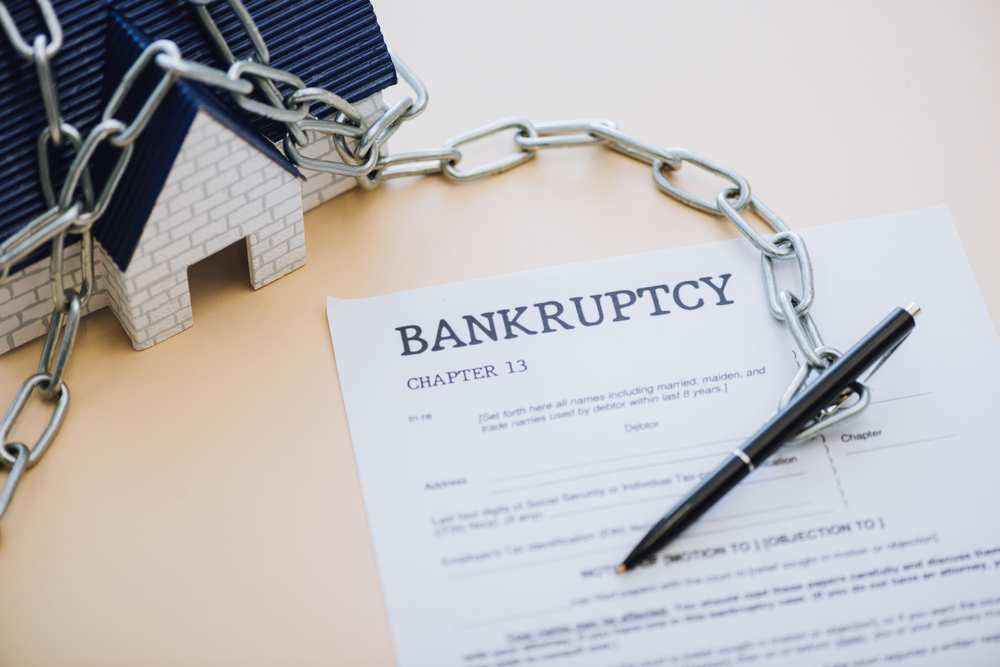
When foreclosure cannot be avoided, bankruptcy may provide a temporary lifeline. Filing for Chapter 13 bankruptcy can pause foreclosure proceedings and allow homeowners to catch up on payments through a structured repayment plan. Chapter 7 bankruptcy may not stop foreclosure permanently but can provide debt relief that helps in negotiating with lenders.
It is important to understand the difference between relief under a foreclosure settlement and bankruptcy protections. Settlements address past lender misconduct, while bankruptcy is a federal process designed to help individuals manage or discharge debt.
Lessons for Homeowners and Future Implications
The settlement forced banks to be more careful, but homeowners must remain proactive. It highlighted the importance of understanding your mortgage, knowing your rights, and seeking help early if you fall behind on payments.
For the Wisconsin housing market, stronger oversight means fewer wrongful foreclosures and more stability. Communities benefit when families can keep their homes or find fair resolutions.
Wisconsin borrowers should stay informed about state foreclosure laws, credit counseling resources, and available alternatives such as loan modifications. Prevention and preparation are often the best tools for avoiding foreclosure.
Table: Foreclosure in Wisconsin — Before and After Settlement
|
Factor
|
Before Settlement |
After Settlement
|
| Lender Oversight |
Minimal transparency |
Increased regulatory oversight |
| Borrower Relief |
Limited options |
Mortgage modifications, compensation |
| Wrongful Foreclosures |
High concern |
Stronger review and appeals process |
| Impact on Wisconsin |
Rising foreclosure cases |
Gradual decline, more homeowner support |
FAQs
What does the foreclosure settlement mean for Wisconsin homeowners?
It provides stronger protections, oversight of lenders, and more options for mortgage relief to reduce wrongful foreclosures and support struggling borrowers.
Does the settlement stop foreclosures in Wisconsin?
No. It does not eliminate foreclosures but ensures lenders follow stricter rules and offer relief measures before proceeding in court.
How does bankruptcy interact with foreclosure in Wisconsin?
Bankruptcy, especially Chapter 13, can pause foreclosure and allow repayment over time, giving homeowners breathing room to save their property.
Are all Wisconsin residents eligible for settlement relief?
No. Eligibility depends on which lender serviced the loan and whether the borrower was affected during the covered period.
What rights do Wisconsin borrowers have in foreclosure?
Borrowers have the right to due process, legal notice, and a redemption period to repay debt and reclaim property before losing ownership.
Can foreclosure settlements affect my credit report?
Yes. Foreclosure still impacts credit, but settlements may prevent wrongful entries and improve accuracy of reporting.
Conclusion
The recent foreclosure settlement has reshaped how lenders handle foreclosures and created more safeguards for Wisconsin homeowners. With judicial foreclosure laws, redemption periods, and bankruptcy options, residents now have stronger defenses than in the past.
If you are facing foreclosure, understanding your rights and options is the first step toward protecting your home and financial future.
Debt Advisors Law Offices is here to guide Wisconsin families through foreclosure and bankruptcy challenges with clarity and compassion. Contact us today for a free consultation and learn how we can help you explore your best path forward.