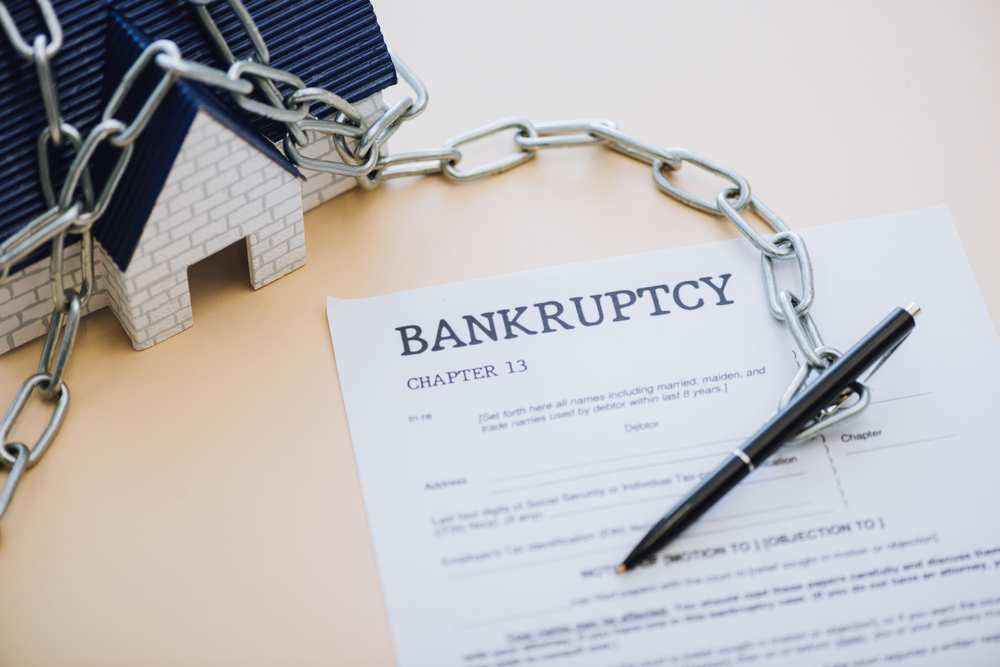
A strong economy does not always mean your finances are in good shape. You can have a steady job and still struggle with credit card balances, medical bills, rising expenses, or a sudden change in income.
Bankruptcy can still be an option when your debts have become difficult to manage. This guide looks at why people may consider bankruptcy even during a strong economy and what factors matter when deciding whether to file.
Why Bankruptcy Still Happens When the Economy Looks Strong
Economic reports look at the country as a whole. Your budget works at the household level, and those two pictures can be very different.
A family may have steady income but also face high interest charges, a large medical bill, or an unexpected home or car expense. A job change or a few months with lower income can turn manageable debt into payments that no longer fit the budget.
A good economy does not guarantee a healthy household budget. What matters is whether your own income can keep up with your bills and debt.
This is why bankruptcy can still be needed when unemployment is low or other national numbers look good. The decision is based on your own finances, not on whether the country is officially in a recession.
Our Milwaukee bankruptcy lawyer can review your income, debts, property, and monthly expenses to help you understand your options.
What Can Push a Household Toward Bankruptcy?
There is rarely one single reason. Debt often builds over time, and then one more expense makes it hard to keep up.
Common problems include:
- Credit card balances that keep growing because of interest
- Medical bills and other health-related costs
- Job loss, fewer work hours, or lower income
- Divorce or separation
- Mortgage or car payments that no longer fit the budget
- Tax debt and other unpaid bills
- Living on a fixed income while basic costs rise
Having a regular paycheck does not always solve the problem. Someone can work full time and still have too little left after housing, food, transportation, insurance, and minimum debt payments.
Bankruptcy Filings Are Rising Again
Recent court data shows that bankruptcy is not limited to recessions. According to U.S. Courts bankruptcy filing data, there were 608,511 bankruptcy filings in the 12 months ending June 30, 2026. That was 12.2% more than the year before.
| Year Ending June 30 |
Non-Business Filings |
Total Filings |
| 2024 |
464,553 |
486,613 |
| 2025 |
519,486 |
542,529 |
| 2026 |
581,570 |
608,511 |
Filings have been rising since reaching a low point in 2022. Even so, current totals remain far below the levels seen around 2010.
The numbers make one thing clear: serious debt problems can happen in many kinds of economies.
What Does Bankruptcy Actually Do?
Bankruptcy gives people a court process for dealing with debt they cannot manage. What happens depends on the chapter filed, the type of debt, income, property, and other facts.
Chapter 7
Chapter 7 bankruptcy is known as liquidation. A trustee can sell property that is not protected by an exemption, but many Chapter 7 cases have little or no nonexempt property available to sell.
Chapter 7 can discharge personal liability for many debts, but it does not erase every type of debt. The U.S. Courts also note that many Chapter 7 cases are “no-asset” cases because there is no nonexempt property to distribute to creditors.
Chapter 13
Chapter 13 works differently. It is for individuals with regular income who make payments through a court-approved plan, usually for three to five years.
The debtor usually keeps property while making plan payments. Chapter 13 can also give some homeowners time to catch up on overdue mortgage payments, although they still need to make current mortgage payments.
Chapter 7 and Chapter 13 solve different problems. The better fit depends on your income, debts, property, and what you are trying to protect.
Can Bankruptcy Stop Collection Pressure?
Filing for bankruptcy normally starts what is called the automatic stay. This can stop many collection actions while the bankruptcy case is open.
Depending on the case, that may include collection calls, lawsuits, wage garnishments, and some foreclosure activity. Exceptions exist, so filing does not stop every type of legal or collection action.
A discharge comes later if the debtor qualifies and completes the required process. A bankruptcy discharge generally means the person is no longer personally responsible for certain discharged debts.
Is Bankruptcy Better Than Other Debt Options?
Bankruptcy is not the only way to deal with debt. Some people may be able to catch up through a payment agreement, budget changes, credit counseling, or another debt plan.
The right choice depends on more than the total amount you owe. It also depends on the type of debt you have, how much money comes in each month, what property you own, whether payments are already late, and whether collection action has started.
It may be time to review your options if minimum payments barely reduce your balances, you use one debt to pay another, or you fall further behind each month.
FAQs
Can I file bankruptcy if I have a job?
Yes. Having a job does not stop you from filing bankruptcy. Your income can affect which chapter is available and how a Chapter 13 repayment plan may work.
Is bankruptcy only for people with no income?
No. Many people who file bankruptcy still work or receive other income. The problem may be that their income is no longer enough to cover normal living costs and debt payments.
Does Chapter 7 erase every debt?
No. Some debts are not discharged in Chapter 7. Whether a debt can be discharged depends on the type of debt and the facts of the case.
Can Chapter 13 help if I am behind on my mortgage?
It can in some cases. Chapter 13 may give a homeowner time to catch up on overdue mortgage payments through the repayment plan while keeping current payments going.
Should I wait for the economy to improve before looking at bankruptcy?
Not necessarily. National economic conditions do not tell you whether your personal debt is getting better. Look at your own income, bills, missed payments, and ability to reduce what you owe.
Looking at Your Debt Options
National economic news cannot tell you whether your household can afford its debt. What matters is what comes in each month, what goes out, what you owe, and whether the situation is improving.
At Debt Advisors Law Offices, our attorney helps Wisconsin residents review Chapter 7, Chapter 13, and other debt options based on their actual finances. They can explain what filing may change, what property may be protected, and what debts may remain after bankruptcy.
Contact us to schedule a free consultation and talk through your options.