Managing several credit cards, medical bills, and personal loans at the same time can become difficult. Debt consolidation may make repayment easier by bringing those debts into one monthly payment.
Milwaukee residents may also have another option under Wisconsin law called Chapter 128. It allows certain debts to be repaid through a court-supervised plan without filing for bankruptcy. This guide explains how debt consolidation works, how Chapter 128 compares, and when speaking with a Milwaukee bankruptcy lawyer may help.
What Does Debt Consolidation Mean in Milwaukee?
Debt consolidation means combining several debts into one payment. This may happen through a new loan, a debt management plan, or a Wisconsin Chapter 128 case.
A consolidation loan pays existing debts and replaces them with one new loan. It may lower the monthly payment through a lower rate or longer term. A longer term, however, can raise the total interest paid.
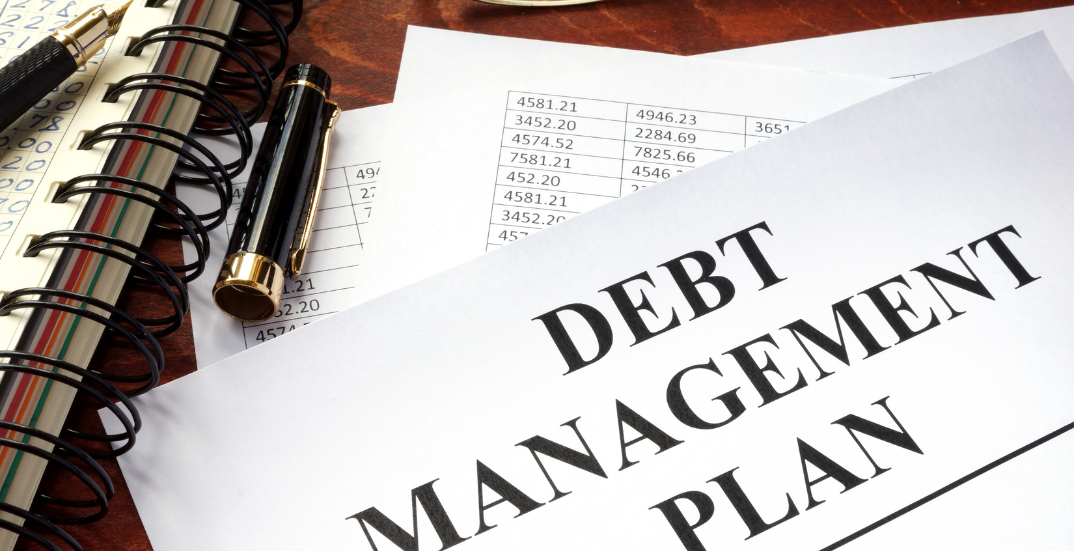
With a debt management plan, you pay a credit counseling organization, which sends money to participating creditors. Creditors may reduce interest or waive fees, but the debt is still repaid.
The Consumer Financial Protection Bureau explains how credit counseling, consolidation, and settlement differ.
How Does Wisconsin Chapter 128 Work?
Chapter 128 is a Wisconsin debt repayment process handled through the circuit court system. It is not a federal bankruptcy case.
A Milwaukee resident with steady income may ask the court to approve a plan for selected unsecured debts. A trustee collects the monthly payment and sends it to the listed creditors.
The plan can last no more than three years, and included debts must be paid in full. Credit cards, medical bills, payday loans, and utility bills may qualify. Mortgages and car loans generally do not.
Chapter 128 may also stop certain garnishments and collection steps involving debts in the plan. You can read more in Wis. Stat. § 128.21 and the Wisconsin Department of Financial Institutions’ Chapter 128 guidance.
What Other Debt Relief Options Are Available?
A consolidation loan may work if you have steady income and qualify for a rate that lowers your cost. Compare the interest rate, fees, loan term, and total repayment amount.
Be careful when a loan uses your home as collateral. A home equity loan can turn unsecured debt into debt secured by your house. Missing payments could put the home at risk.
A debt management plan may offer one payment for unsecured debts. These plans can take several years and require regular, on-time payments. Creditors may agree to lower rates or waive fees, but those terms should be confirmed before enrolling.
Debt settlement is different. A settlement company asks creditors to accept less than the full balance. Creditors do not have to agree. If you stop paying, fees and interest may grow, and a creditor may sue. Forgiven debt may also create tax issues.
A smaller monthly payment does not always mean a cheaper plan. Interest, fees, and a longer term can raise the total cost.
Chapter 128 vs. Chapter 7 and Chapter 13 Bankruptcy
Chapter 128 is meant for people who can repay included unsecured debts within three years. Bankruptcy may be more suitable when full repayment is not realistic or broader legal protection is needed.
|
Option
|
What Happens to Debt? |
Time Frame |
Collection Protection
|
| Consolidation loan |
Repaid through a new loan |
Based on loan term |
No court protection |
| Chapter 128 |
Included debts paid in full |
Up to three years |
Some actions may be stayed |
| Chapter 7 |
Many qualifying debts may be discharged |
Often several months |
Federal automatic stay |
| Chapter 13 |
Debts handled through a court plan |
Usually three to five years |
Federal automatic stay |
Chapter 7 bankruptcy may discharge many unsecured debts, subject to eligibility and other rules. Chapter 13 bankruptcy lets a person with regular income repay debts through a court-approved plan, usually over three to five years.
When Is Debt Consolidation a Realistic Choice?
Debt consolidation may be worth considering when you have reliable income, most debts are unsecured, and the new payment fits after basic living costs. It may help when a lower rate or stopped interest creates real savings, and you can avoid taking on new debt.
It may not solve the problem when there is no money left after basic expenses, the payment remains too high, or repayment would take many years. It may also fall short when you face foreclosure, car loan arrears, a lawsuit, or wage garnishment.
The right choice is the one that addresses the full problem, not just the number of monthly bills.
How Can Milwaukee Residents Avoid Debt Relief Scams?
Read the full agreement. Check the interest rate, fees, payment period, total cost, and whether property is being used as collateral.
Debt settlement companies and debt management plan providers operating in Wisconsin must follow state licensing rules for adjustment service companies. You can check a provider through the Wisconsin Department of Financial Institutions.
Be careful if a company:
- Guarantees that debt will disappear.
- Demands fees before doing any work.
- Tells you to stop paying without explaining the risks.
- Refuses to put promises in writing.
- Enrolls you without reviewing your finances.
Under the Federal Trade Commission’s debt relief rules, many services sold by phone cannot collect fees until at least one debt has been resolved and the customer has made a payment under that agreement.
Frequently Asked Questions
Is Chapter 128 the same as debt consolidation?
Chapter 128 is one type of consolidation. It uses a Wisconsin court and trustee. A regular consolidation loan comes from a lender and offers no court protection.
Is Chapter 128 considered bankruptcy?
No. Chapter 128 is a Wisconsin repayment case, not federal bankruptcy. The debts included in the plan must be repaid rather than discharged.
What debts can go into Chapter 128?
It mainly covers unsecured debts, including credit cards, medical bills, payday loans, and utility bills. Mortgages and car loans generally cannot be included.
Does Chapter 128 stop wage garnishment?
It may stop garnishment and certain collection actions involving debts in the plan. The protection depends on the debt and the court order.
When might bankruptcy be a better option?
Bankruptcy may be worth considering if you cannot afford to repay the debt, collections are getting worse, or a repayment plan would still leave you struggling.
Conclusion
Debt consolidation in Milwaukee is not one program. A loan may simplify payments. A debt management plan may lower some rates. Chapter 128 may provide a court-supervised way to repay selected unsecured debts.
Our attorneys at Debt Advisors Law Offices can review your debts, income, collection concerns, and options under Wisconsin and federal law. They can help you compare consolidation, Chapter 128, Chapter 7, and Chapter 13.
Debt Advisors Law Offices is a debt relief agency. We help people file for bankruptcy under the Bankruptcy Code.